
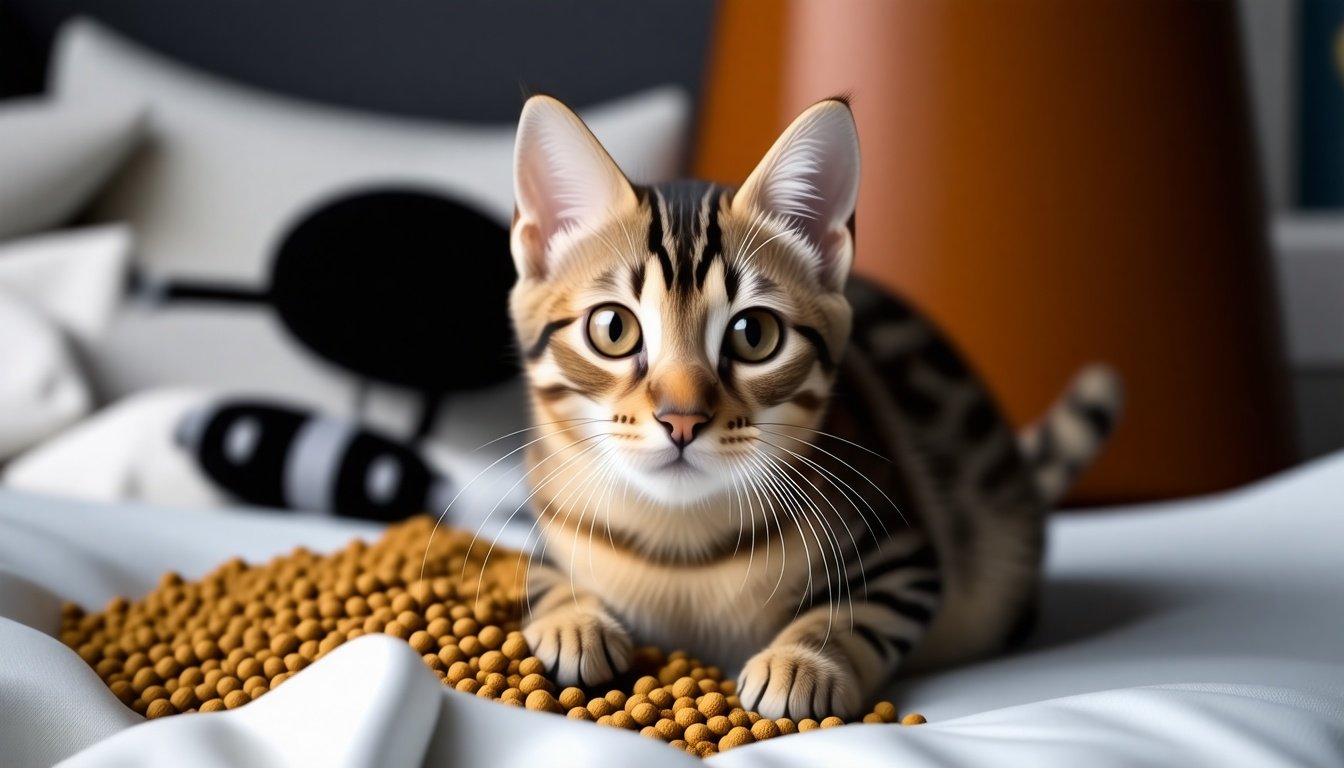
So there I was, staring at a bag of cat litter that smelled like, well, the inside of a chemical factory. My cat gave me a look like, “What exactly did you just bring into my house?” And honestly, I had to admit—I kind of hated it too. It was dusty, smelly, and when I peeked at the ingredients, I realized it was packed with stuff I could not pronounce at all. There had to be a better way, right? A less grimy, more planet-friendly way to make something my cat would actually tolerate, and I would not cringe every time I changed the box.
That, my friends, was the start of a little adventure. An adventure to make my own cat litter at home. Not just any cat litter. Eco-friendly cat litter. The kind that looked after my cat, my home, and the world outside my window. You would think this would be easy, but no, it was a messy, smelly, and sometimes hilarious experience. But that made it all the more worth it.
Why Even Bother Making Cat Litter?
Before I get too far, you might be wondering, “Why even make your own cat litter? Isn’t what’s in stores fine?” Sure, it looks fine on the shelf, but the reality is a bit different. Most commercial cat litters are made from clay mined from the earth. Mining? Not exactly gentle on the environment. Plus, when you flush that stuff, it just sits there forever, non-biodegradable and stubborn.
And then there is the smell. Many litter brands add fragrances to mask odors. But those artificial smells can irritate both pets and humans. I found myself sneezing more than usual and thinking, “Is this safe for my cat’s sensitive nose?” The constant dust kicked up by many litters also made me worry—was I filling the air in my apartment with tiny poison particles?
On the practical side, buying litter every month feels like you are feeding a black hole. The bags are heavy, bulky, and the packaging alone adds to landfill. So yeah, making my own felt like a tiny rebellion against wastefulness, a small way to reduce my cat’s carbon pawprint.
The Moment It Got Personal
One night, I caught my cat sniffing around the litter box like she was suspicious of a bad smell. She pawed carefully at the litter as if trying to find a better place. And my heart sank thinking, “If she does not like her box, how will she keep using it? This matters.” This was not just about the planet or convenience—it was also about respect. Respect for the creature who shares my couch and my life.
How I Started Making Eco-Friendly Litter at Home
I had no fancy equipment or a chemistry degree. Just some curiosity, a sprinkle of determination, and a bunch of trial and error. Here is how I went from “What on earth do I do?” to “Hey, this actually works!”
Step One: Research, But Make It Fun
First, I googled. I mean, who does not? However, the internet is full of pretty complicated DIY litter recipes involving weird ingredients. Some used wood pellets, some corn, some even coffee grounds. My brain spun, “But what will my cat actually accept?” Then I found out that cats tend to like litter that feels closer to natural dirt or sand under their paws. I thought, “Okay, what can I find easily that fits this vibe?”
Step Two: Scavenging Ingredients from My Kitchen and Garden
Turns out, making cat litter does not require a genius lab setup. I started gathering simple ingredients:
- Baking soda — excellent odor absorber.
- Newspaper — easy to shred and eco-friendly.
- Wood pellets — found at pet stores but biodegradable and low dust.
- Sawdust — from untreated wood. I got a tiny bag from a local carpenter.
- Cornmeal — natural, absorbent, and cheap.
Mixing these felt like a strange cooking experiment. But it was the kind that does not require a fire extinguisher.
Step Three: The Mixing Dance
In a big bowl, I shredded newspaper by hand. It took a few minutes and made me nostalgic for old-school crafts classes. Into the shredded paper, I sprinkled a good handful of baking soda to help with odors. Then, I carefully added wood pellets, which absorb moisture really well. Sawdust was added in small amounts because too much made it dusty. Finally, a dash of cornmeal helped with clumping.
The first batch looked like a weird combo of mulch and breakfast cereal. I wondered if my cat would actually step in it without judging me.
First Test: The Cat’s Verdict
The critical moment arrived when I poured the mix into her litter box. She approached slowly, nose twitching suspiciously. I held my breath. Then she stepped in. And walked around a bit. And used the box. Twice! No dramatic hisses. Just acceptance. I did a little victory dance, low-key, like a ninja.
Sure, it wasn’t perfect. Sometimes the clumping was a little crumbly, and the smell did not evaporate immediately. But it was far better than toxic commercial litter. Plus, the dust level was way lower. I felt proud knowing I had created something safe and sustainable.
Adjustments on the Go
After a few weeks, I tweaked the recipe. My cat seemed to prefer a bit more wood pellets and less paper, which made the litter finer but still absorbent. I also started drying shredded leaves from the backyard and adding them in small amounts for a natural texture. The scent was mild, earthy.
Interestingly, I learned that my cat got picky when the litter was too moist. So I made sure to change the box more often, which by the way, also made her happy. Clean box equals happy cat, no surprise there.
Why Making Eco-Friendly Litter Changed My Life
This was more than just a project. It became a gentle reminder that small changes ripple outwards. Every paw print in that box felt like a tiny hug for the planet. I was saving money, reducing waste, and feeling like I was actually doing something rather than just talking about it.
It also made me appreciate the simple things—like shredded newspaper or sawdust—that we often overlook. Turning these scraps into something useful gave me a little thrill every time I prepared a new batch.
Some Surprises Along the Way
- It is messy. Be ready to clean up bits here and there, but hey, that is part of the charm.
- Patience pays off. My first attempts were awkward, but after a few tries, it gelled.
- My cat became an unexpected taste-tester. She let me know quickly what she liked and what made her nope right out of the box.
Would I Do It Again? In a Heartbeat.
Making my own eco-friendly cat litter taught me a lot about patience, creativity, and respect—for animals and the environment. I do not pretend it is perfect, but it works. It feels right. And that matters.
If you are thinking about giving this a go, here are a few quick tips:
- Start with simple ingredients you trust.
- Watch your pet’s reaction closely.
- Do not be afraid to tweak the recipe—it is an experiment, after all.
- Remember that keeping the box clean is key for any litter.
- Have a sense of humor when things get a little messy.
And most of all, remember that small steps add up. One litter box at a time.
Final Thoughts
Not everyone needs to make their own cat litter. But if you have ever felt a pinch between keeping your pet happy and caring for the earth, maybe this is a tiny idea worth trying. It is not about perfection; it is about connection. Connecting with your pet, connecting with your environment, and finding joy in simple, honest solutions.
I never thought I would be a cat litter DIY person, but here I am, sharing this silly, messy story with you, hoping it sparks a little green revolution in your own home—one clump at a time.