
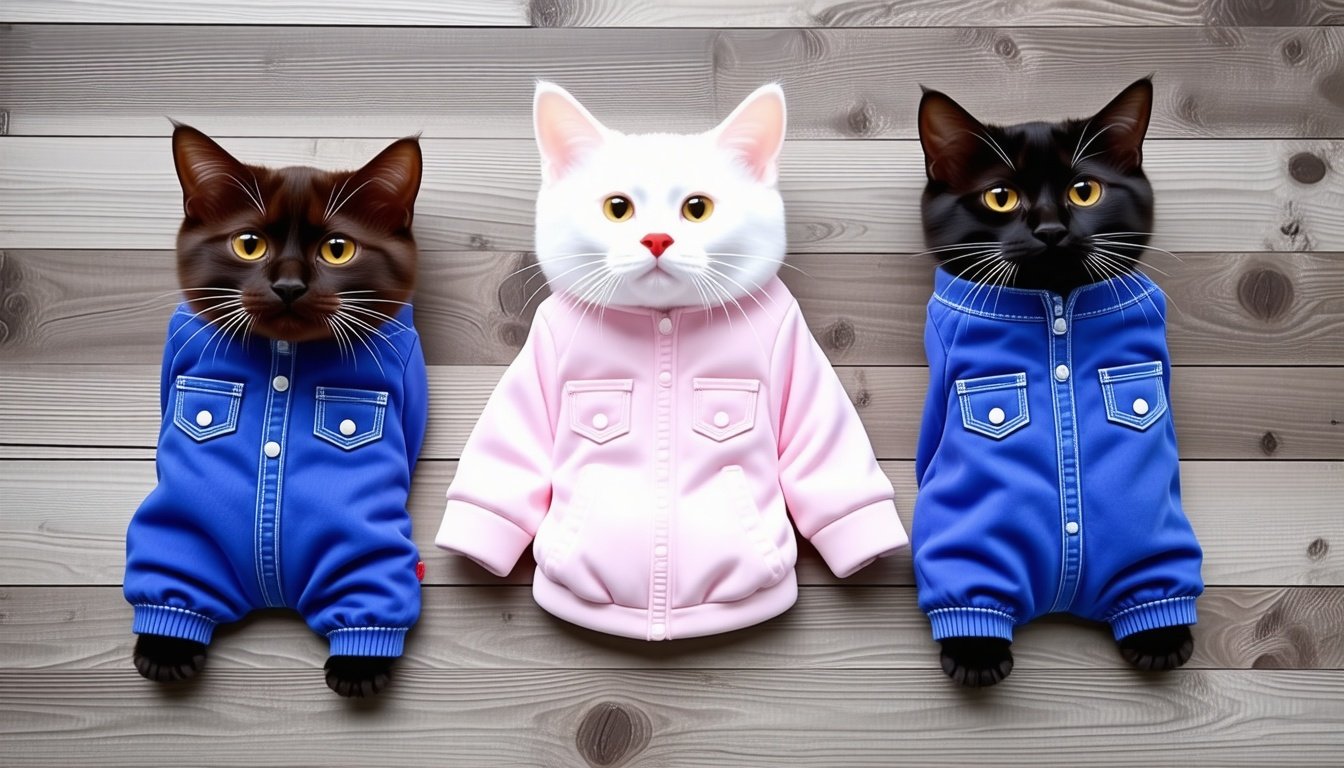
You know that moment when you open your closet and just stare at a pile of clothes that you have not worn in forever? Some are stained, others have lost their shape, and a few just seem like they belong in some forgotten corner of your wardrobe. I used to feel guilty every time I tossed those old tees or sweaters in the donation bin or, worse, the trash. What if they had a second life? Something fun, something meaningful? That question nudged me towards trying a little project: upcycling those old clothes into cozy, quirky pet accessories.
It started with sheer curiosity mixed with a pinch of desperation. My dog, Max, was chewing through every toy I bought him like it was some kind of chew-toy buffet. Expensive? Check. Eco-friendly? Nope. Sustainable? Definitely not. And honestly, I felt a bit ridiculous constantly throwing money at plastic and synthetic pet gear that broke after a week. So, why not turn those discarded clothes into something Max could use and love?
Why Upcycling Clothes for Pets?
Upcycling is a fancy way of saying you give old stuff a new purpose. Instead of just throwing old clothes away, I started to think about how I could make something cool for Max out of them. It felt like finding buried treasure in my own house. Plus, it did not hurt my wallet or the planet.
Pets deserve pampering, but pampering does not have to mean wasteful shopping. Our pets rely on us to make smart choices, and that includes what we bring into their lives. When you upcycle old clothes, you do two big things at once:
- Reduce waste and keep fabric out of the landfill.
- Create unique, comfy, and safe pet toys or gear.
And here is the surprise: pet stuff made from old shirts or sweaters somehow looks cooler and feels more personal. Max always perks up when I bring out a toy stitched from my old hoodie. Like he knows it is a piece of me just for him.
What Can You Make?
Start simple. Here are a few ideas I tried early on—none required fancy tools or sewing skills:
- Tug toys: Cut strips from an old cotton tee, braid them tightly, and knot the ends. Perfect for a game of tug-of-war.
- Snuggle blankets: Patch together bits of soft sweaters to make a cozy blanket or even a small pet bed cover.
- Catnip toys: Sew little pouches from scraps filled with catnip and stuffing, and your cat will be entertained for hours.
- Pet clothes: Give a small sweater a second chance by resizing it to fit your pet snugly. Bonus: your pet looks adorable.
- Chew toy stuffing: Salvage stuffing from worn-out stuffed animals or old pillows to refill pet toys.
Every project felt like a small adventure. More than once, I was amazed at how just a few simple cuts and stitches could transform what I once saw as trash into something that brought joy to Max.
The Emotional Magic of Upcycling for My Pet
Let me say this plainly: this was about more than saving money or being “green.” Making things for Max from my old clothes became a way to share a piece of my history with him. Every shirt or sweater had memories tangled in its fibers—concerts, lazy Sundays, road trips—and now those memories got folded into his world.
Sometimes, I caught myself smiling just thinking about how my worn-out sweatshirt became a tug toy that Max carried around like a prize. It was silly, but it felt like a secret handshake between us. It reminded me that being a pet parent is part craftsperson, part storyteller, and all heart.
I also noticed how Max seemed to find the textures and smells comforting in ways that store-bought toys did not provide. A toy that smells like me? That has got to be some next-level pet pampering right there.
Is It Safe?
Good question. Safety is non-negotiable. When you upcycle clothing for pets, you want to look out for a few basics:
- Use clothes made from natural fabrics like cotton or wool for softness and breathability.
- Stay away from clothes with zippers, buttons, or embellishments that pets could swallow or choke on.
- Avoid clothes that have heavy dyes or chemicals, especially if your pet tends to chew.
- Inspect your creations regularly for loose threads or tears—your pet’s safety comes first.
I found that handwashing and drying the fabrics before turning them into pet gear was a good habit. It helped me feel confident that nothing harmful was lingering on the material.
How Upcycling Changed Our Relationship
This little habit of turning old clothes into pet toys and blankets changed how I see Max and our time together. Making a toy for him feels like giving him a gift that comes straight from me. I am not just a customer scouring pet stores; I am a creator. And I think Max knows it.
There is also a rhythm to the upcycling process that slowed me down. Life rushes by with endless errands and obligations, and sometimes you forget to just sit with your pet and be present. But when I am cutting or stitching a toy, I am focused. It is a quiet, simple act of love.
And the best part? Max treasures these homemade toys. He paws at the door when he sees me grabbing the old clothes bin because he knows something fun is coming his way.
Tips If You Want to Try It
If you feel tempted to give this a shot, here are some easy ways to start:
- Pick your fabrics wisely. Start with soft, knit cotton shirts or old sweaters that have character but are still in good condition.
- Keep it simple. Braid, knot, or loosely sew—no need to be a pro seamstress.
- Let your pet’s personality guide you. Is yours a chewer? Make tougher braided toys. Is your cat a cuddler? Try soft pillows or blankets.
- DIY together. If you have kids, get them involved. It is a fun way to teach creativity and kindness.
- Don’t rush. Enjoy the process. It is part of the gift to your pet.
The Bigger Picture: Small Changes, Big Love
On a grander scale, this little habit of upcycling taught me a lot about sustainability. Small choices add up. One old shirt becomes one less piece of waste. One homemade toy means one less plastic item produced and discarded. It feels good to contribute to a less wasteful world, even in tiny ways.
And here is the secret I stumbled upon: your pet feels that love. When you make something with your own hands, it carries a different kind of energy. It is hard to describe but easy to feel. Pets pick up on that vibe. It is the same as when you throw a ball yourself versus when you buy a fancy gadget—the real connection happens in the small gestures.
Joining a Community
I was not alone in this idea, as I discovered quickly after sharing photos of Max with his upcycled toys online. There is a whole tribe of folks turning old clothes into pet goodies, swapping tips, and even organizing local meet-ups. People who care about pets and planet—what a combo!
Being part of that group made me realize how creative and resourceful people can be. It also reminded me that sustainability does not have to be heavy or serious. It can be playful, joyful, and entirely doable.
Final Thoughts (Because I Do Have Them)
Upcycling old clothes for my pet turned out to be one of those unexpected journeys—a mix of nostalgia, creativity, and love. It made me rethink waste, consumerism, and what it means to give to those who depend on us.
So, if you are staring at your closet full of forgotten clothes wondering what to do with them, maybe you have an eager pet waiting for a new kind of gift. Grab some scissors, unleash your imagination, and see what magic you and your pet can create together. I promise, it will be more than just saving fabric—it will be stitching new memories.
And who knows? You might end up with a pet who thinks your old sweater is the best toy ever. Which, in my book, is a win-win.