
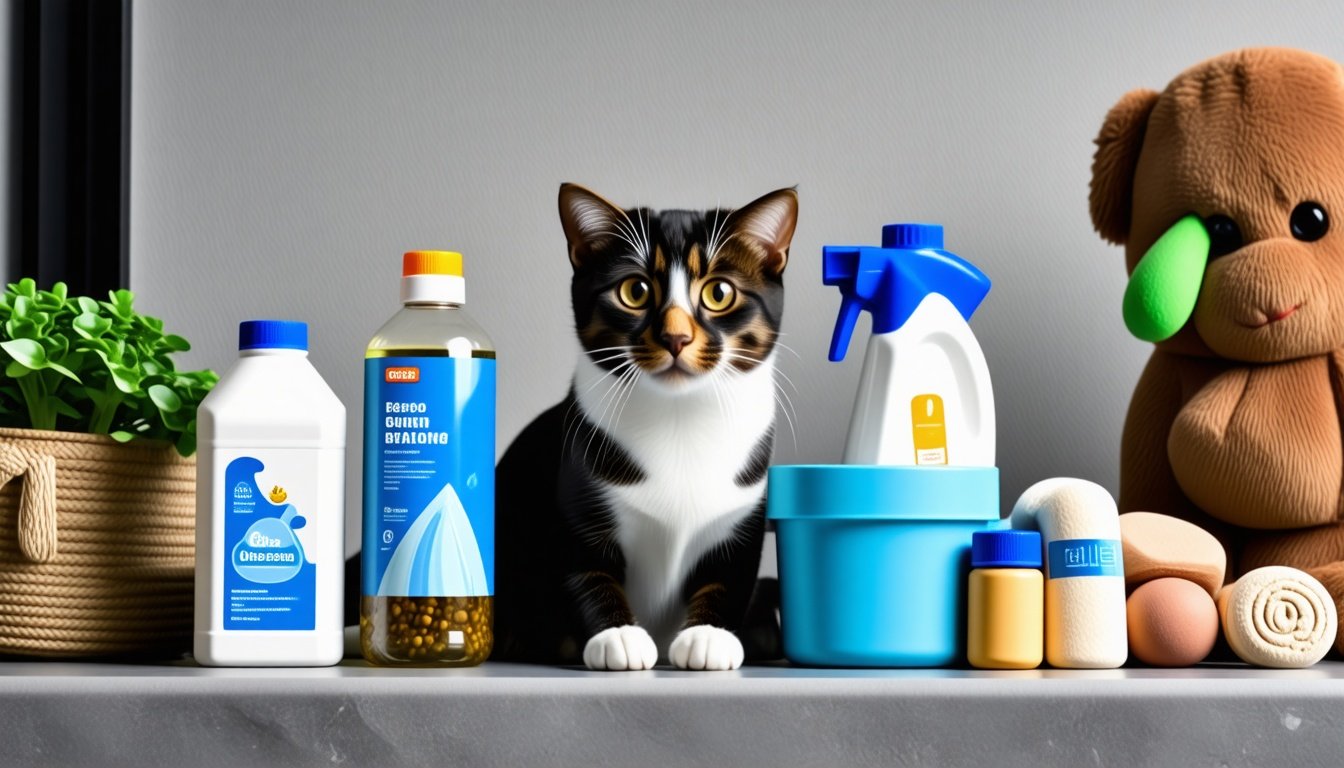
When we first decided to go zero-waste with pet care, I guess I thought it would be a breeze. How hard could it be, right? Our little buddy wouldn’t notice the switch from plastic bags to compostable ones, or from chemical-laden shampoos to homemade blends. But oh, my friends, I was wrong. It was messy. It was awkward at times. It made us rethink every single purchase. Yet, somehow, every tiny change added up, turning into something pretty amazing.
Let me tell you about the whole journey—the stumbles, the wins, the moments when we felt like superheroes for the planet, and the times we totally fumbled. If you are scratching your head wondering how you can care for your pet and still be kind to Earth, this story is for you. Because, surprise, surprise, small changes really do make a big difference.
Why Even Care About Zero-Waste Pet Stuff?
Look, pets are family. We want to spoil them, keep them comfortable, happy, and safe. But the messy truth is, pet products can create a mountain of waste. Think plastic packaging everywhere you turn—bags, containers, toys, and those single-use wipes we grab without thinking. What if we could care for our animals without trashing the planet in the process? I mean, if we can try to cut down on waste for ourselves, why not do it for our four-legged pals, too?
We started small, just trying to cut down on obvious waste. But the more we looked, the more we saw how many pet-related things could be swapped for greener, cleaner versions. And not just the products, but how we lived with our pet day to day, from feeding to cleaning up.
Step One: Rethinking Food and Treats
Feeding time was our first big challenge. The usual pet food comes wrapped in plastic bags or tins that pile up quickly. We switched to local, organic pet food that came in recyclable paper bags. It was a bit more expensive, but guess what? Our pet loved the food just as much. Bonus: knowing we were cutting down on single-use plastic felt like a win every time we poured kibble.
Treats were another story. Store-bought ones often come in plastic wrappers. So, we started making our own at home. Sounds fancy, but it really isn’t. Simple recipes with oats, peanut butter, and pumpkin turned into chewy little bites that our pet devoured. Plus, making treats felt way more personal. Like a little hug in every bite.
Tips for Zero-Waste Feeding
- Buy in bulk from stores that allow reuse of your own containers.
- Use glass jars or metal tins for storage instead of plastic bags.
- Make homemade treats with simple ingredients.
- Choose fresh, local options when possible.
Poo Patrol: Turning Cleanup Into a Planet-Friendly Mission
Okay, I know what you are thinking. How on Earth does poop fit into zero-waste? Well, it does, believe it or not. The plastic poop bags we used before felt gross and wasteful. We switched to compostable bags. They break down far faster, and we can even toss them in our home compost (as long as you check local rules about pet waste composting first!).
We also explored poop-scooping gadgets that reduce waste. Some companies make biodegradable liners for scoops, or even tools that don’t require bags at all. It felt weird at first, especially when we forgot to bring the compostable bags and had to use a plastic one. But with time, it became second nature.
Zero-Waste Poop Tips
- Use compostable or biodegradable poop bags.
- Look for scooping tools with reusable or biodegradable liners.
- If you have a yard, consider a pet waste composter or a dedicated bin.
- Always check local regulations on composting pet waste.
Eco-Friendly Toys and Accessories That Actually Work
Do you know how many toys get tossed out in a year because they break or your pet loses interest? It is a lot. Plastic toys, rubber balls, synthetic ropes—they all add up. We started buying toys made from natural materials like hemp, cotton, or sustainably sourced wood. Some were handmade by local crafters, which gave them extra soul.
Of course, toys get chewed up. Instead of just throwing them away, we learned to repair or repurpose. A frayed rope toy became a tug-of-war favorite after a quick knot. Broken wooden toys got sanded down to smooth edges. Our pet seemed to appreciate the effort, plus we saved money and waste.
How to Pick and Maintain Eco-Friendly Toys
- Go for natural fibers like hemp, jute, or cotton.
- Look for toys with minimal or no plastic parts.
- Support local artisans when you can—it feels good and reduces shipping waste.
- Fix instead of toss whenever possible.
Grooming Without Guilt: Natural and Minimal Waste
Who knew pet grooming could be a zero-waste adventure? We tossed all those plastic bottles of shampoo and started making simple homemade grooming recipes using coconut oil, baking soda, and a few drops of essential oils (safe ones, of course—no tea tree!). It was surprisingly easy and smelled way better.
For brushes, we swapped plastic versions for wooden ones with natural bristles. They last forever and have a much nicer feel. Plus, reusable grooming cloths replaced disposable wipes. Our pet actually seemed calmer during grooming sessions, maybe because the tools felt more natural.
Zero-Waste Grooming Tips
- Make your own shampoo with safe natural ingredients.
- Use wooden brushes with natural bristles.
- Replace disposable wipes with washable cloths.
- Trim nails with a good quality clipper and compost the clippings.
How to Handle Pet Waste Besides Poo
Beyond the obvious bathroom messes, pet care involves other little wastes—like fur, old bedding, or food scraps. Instead of throwing all of it away, we found little ways to minimize waste there, too.
For shedding fur, a reusable lint roller and regular brushing kept things cleaner, reducing how often we vacuumed (bonus for the environment and our lungs!). Old bedding got donated or composted if it was natural fiber. For food scraps, like bits of fruit or veggies from homemade treats, we fed some to wild birds or composted the rest.
Why It All Feels Worth It
Changing how we care for our pet felt like extra work, no lie. We had to plan more, think more, and sometimes say no to the easy option. But there was something really powerful in that. It felt like love—love for our animal, for ourselves, and for the planet we all share.
We got to know our pet better, watching which treats made their tail wag fastest or which toys lasted longest. It also made us more mindful, not just about pet care but about life in general. Being zero-waste is not about being perfect; it is about caring enough to try.
And if you ask me? Every little change, no matter how small, adds up to something big.
Try It Yourself—No Pressure, Just Play
If this all sounds overwhelming, take a breath. Pick one thing. Maybe it is compostable poop bags or homemade treats. See how it goes. If it feels good, add another. If it feels like too much, step back. There is no one-size-fits-all answer here. Just a chance to do a little better for a beloved companion and the planet.
So, what do you say? Ready to start your own little zero-waste pet adventure? I have a feeling you will find, just like we did, that it feels really good to make even the tiniest difference.