
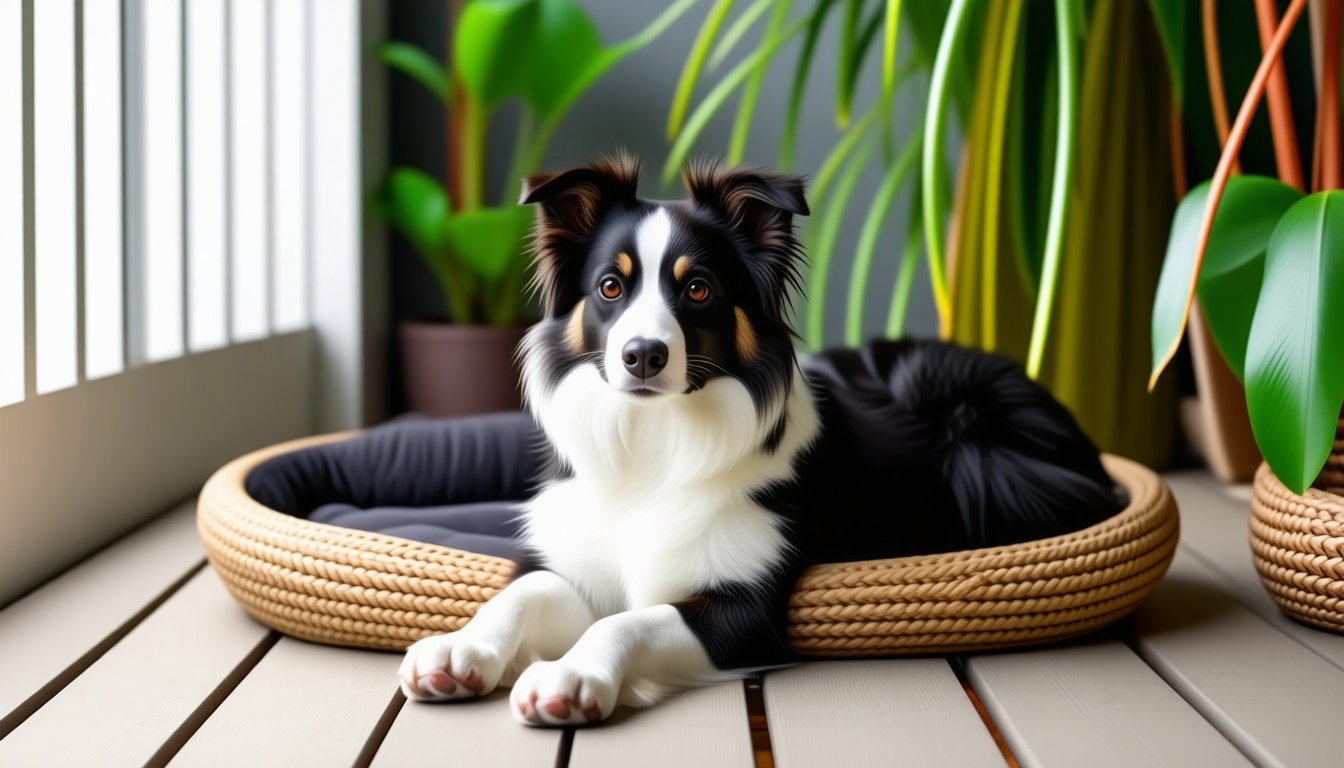
There is something magical about watching your pets roam freely outside, sniffing every inch of their little kingdom, chasing invisible enemies, or just soaking up the sunlight like tiny, fluffy sunbathers. But anyone who loves their pets knows the wild outdoor world can be a tricky place to navigate. It is full of dangers, from sharp sticks to poisonous plants, loose nails to sneaky gaps in fences. And when you care about the planet too, the idea of building a safe outdoor space for your pets can feel like trying to solve a Rubik’s cube blindfolded. How do you keep your pets safe while not hurting the Earth? How can you create a place that feels natural and kind to both your pets and the environment?
Well, friend, I am here to tell you it is possible. In fact, I have been knee-deep in this very project—transforming a plain backyard into a safe haven using sustainable, earth-friendly materials that make my heart glad and my dogs wiggle with joy. I want to share the little lessons, big surprises, and honest truths I have picked up along the way, with a few cheeky insights that might just make your journey smoother. So grab a cup of tea or a cold drink, and let us talk about how to make a safe outdoor space for your pets that does not cost the planet a thing.
Why Choose Sustainable Materials for Your Pets?
Let us pause for a moment and think about why anyone would even bother. Why not just slap together whatever is cheap, quick, or easy? Because pets are part of our family. And families deserve spaces that are loving and safe. But not just for today—also for tomorrow, and the day after that, and the one after that. Using sustainable materials means fewer chemicals, less waste, and a smaller footprint on the Earth. It means the air and soil where your pets romp are cleaner and safer. Plus, it feels better—like you are giving a little back to the planet that gives so much to us.
Let us not forget the sneaky benefits too. Natural and recycled materials tend to last longer in outdoor conditions. They age like fine wine, not like sad plastic toys that crack and fade after a summer. That means fewer replacements, fewer trips to the store, and more time for belly rubs and bird watching.
Starting With the Ground Up: Safe Flooring Choices
The ground is your pet’s playground, their bathroom, their napping spot. So choosing the right floor is not just a detail—it is everything.
Natural Mulch and Wood Chips
Many folks reach for wood chips or bark mulch, and for good reason. They are soft under paws, help with drainage, and are natural. But here is the trick: pick untreated wood chips. Some mulch has chemicals or dyes that can upset your pet’s tummy or cause itching. Look for options made from local tree trimmings or cedar that naturally resists bugs and rot. Plus, it smells nice and keeps ticks at bay. Always keep the layer thick enough to cushion but not so thick your pets sink in up to their elbows.
Recycled Rubber Mats
Okay, so rubber might sound like a typical plastic product, but recycled rubber mats made from old tires are surprisingly eco-friendly if chosen correctly. They provide a soft surface and good traction, which is great for older pets or slippery paws. These mats resist mud and are easy to clean. Just check that they do not contain any harmful chemicals. It is like giving new life to something that would have been buried in a landfill forever.
Pea Gravel and Sand
If your pets like to dig (and what pet does not?), mixing in some pea gravel or natural sand can help. These materials allow water to drain but keep the dirt from turning into a mud pit. Keep the gravel size small and smooth to avoid paw injuries. You can even create digging zones to encourage your pets to use certain areas for their excavations, sparing the rest of your garden.
Building Fences and Barriers That Matter
Fences are the superhero cape of any safe outdoor space. They protect your pets from dashing off, wandering into harm, or running into neighbor’s yards. But fences can look ugly or be made from materials that hurt the planet. So how do you build fences that are good for your pets and the Earth?
Natural Bamboo Fencing
Bamboo is a superstar in sustainability. It grows fast, absorbs carbon, and looks beautiful. Bamboo fencing is strong, light, and provides plenty of privacy. Plus, pet paws rarely get splinters from bamboo, unlike some rough wooden fences. You can buy pre-made bamboo panels or create your own fence by binding bundles together. It has a tropical vibe that makes your pets feel like they have a new jungle gym.
Reclaimed Wood
If you are a bit handy or feel like a weekend warrior, reclaimed wood from old barns, pallets, or flooring is a treasure chest of stories and charm. It saves trees, reduces waste, and slaps a rustic flair onto your yard. Just be sure to sand it down well—no sharp edges or nails sticking out—and avoid wood treated with toxic chemicals. Using non-toxic paint or sealant can protect the wood from weather without hurting your pets.
Living Fences: Shrubs and Hedges
Why not let nature build the fence for you? Thick, thorny bushes like holly or hawthorn create natural barriers that keep pets in and unwanted critters out. Plus, they add food and shelter for birds and bugs, making your yard alive with buzzing and chirping. It takes a little patience and care, but over time, you will have a green wall that is soft, pretty, and alive.
Shade and Shelter: Where Comfort Meets Sustainability
Sunny days are great until your pet’s tongue turns into a marshmallow or their fur feels like it is overheating. Providing shade and shelter is a must. But think beyond plastic dog houses or metal canopies that radiate heat.
Repurposed Wooden Pallets and Tarps
Wooden pallets can be transformed into shaded shelters or raised beds with a little creativity and elbow grease. Pair them with organic cotton or hemp tarps that block sun but breathe air. Your pets can lounge under these cool zones while you feel good about using recycled wood and natural fabrics.
Plant Trees or Large Potted Plants
Nothing beats the coolness of real leaves. If you have space, plant fast-growing trees like willows or maples. For smaller patios, large pots filled with leafy plants create shady nooks. Bonus: your pets get natural smells, bugs to chase, and a place to hide in.
Toys and Accessories That Do Not Trash the Earth
Your pet’s outdoor space is not just about safety. It is about joy, play, and discovery. But toys can turn into landfill nightmares if they are plastic-filled and disposable.
Natural Rubber Toys
These are soft, chew-resistant, and often made from sustainable latex. They bounce, squeak, and last longer than cheap plastic ones. Make sure they come without harmful dyes or fillers.
Fabric Toys from Recycled Clothes
Got old T-shirts or towels? Sew them into tug toys or chewable balls. It is DIY, budget-friendly, and unique. Your pet gets a new treasure, and you reduce textile waste. Win-win.
Wooden Puzzle Feeders
Puzzle feeders challenge your pet’s brain and encourage slow eating. Choose those carved from untreated wood or reclaimed materials. They are sturdy, interesting, and prettier than plastic bowls.
Soil and Plants: Safe, Fun, and Eco-Friendly
Plants are the quiet heroes of any outdoor space, offering shade, scent, and even medicine. But some are actually toxic to pets. It is tricky out there!
- Pet-Safe Plants: Lavender, rosemary, and basil are great—they smell wonderful and keep bugs away. Spider plants and Boston ferns are good for shade and are harmless if chewed.
- Avoid Toxic Plants: Lilies, azaleas, and oleander can be deadly. Always double-check before planting anything. If you have curious diggers, use raised beds with barriers.
- Compost and Mulch: Use homemade compost from kitchen scraps to enrich the soil. Avoid chemical fertilizers that can harm pets and earthworms.
Extra Tips From Someone Who Learned the Hard Way
I once thought cedar chips would be a perfect mulch. They looked great, smelled nice, and seemed natural. But guess what? One of my dogs had a nasty allergic reaction. It was a stressful week of vet visits and itchy, miserable puppy eyes. Since then, I always test a small patch first. I also keep lots of fresh water outside, because even the best shade does not beat a cool drink on a hot day.
Another time, I tried a fancy, “eco-friendly” plastic fencing product that promised to last for ages. It cracked under sun exposure within a year. So I learned to trust natural materials that age gracefully. Patience turns out to be a big part of creating a space that works.
Putting It All Together
Creating a safe outdoor space for your pets with sustainable materials is like crafting a little world of love and care. It means thinking with your heart and your hands, choosing materials that last, that breathe, that keep life buzzing around your pets without weighing the Earth down.
It might not be perfect the first time around, and that is okay. You will learn what your pets love and what they do not. You will find your rhythm with the seasons and the plants. Most importantly, you will build a place where your pets can be wild, curious, and happy—and that makes every bit of effort worth it.
So, why not start today? Look around your yard or balcony. What natural treasures do you already have? What little change can you make that feels kind to your pets and the planet? It might be the start of a beautiful adventure—for you, your pets, and the world they live in.