
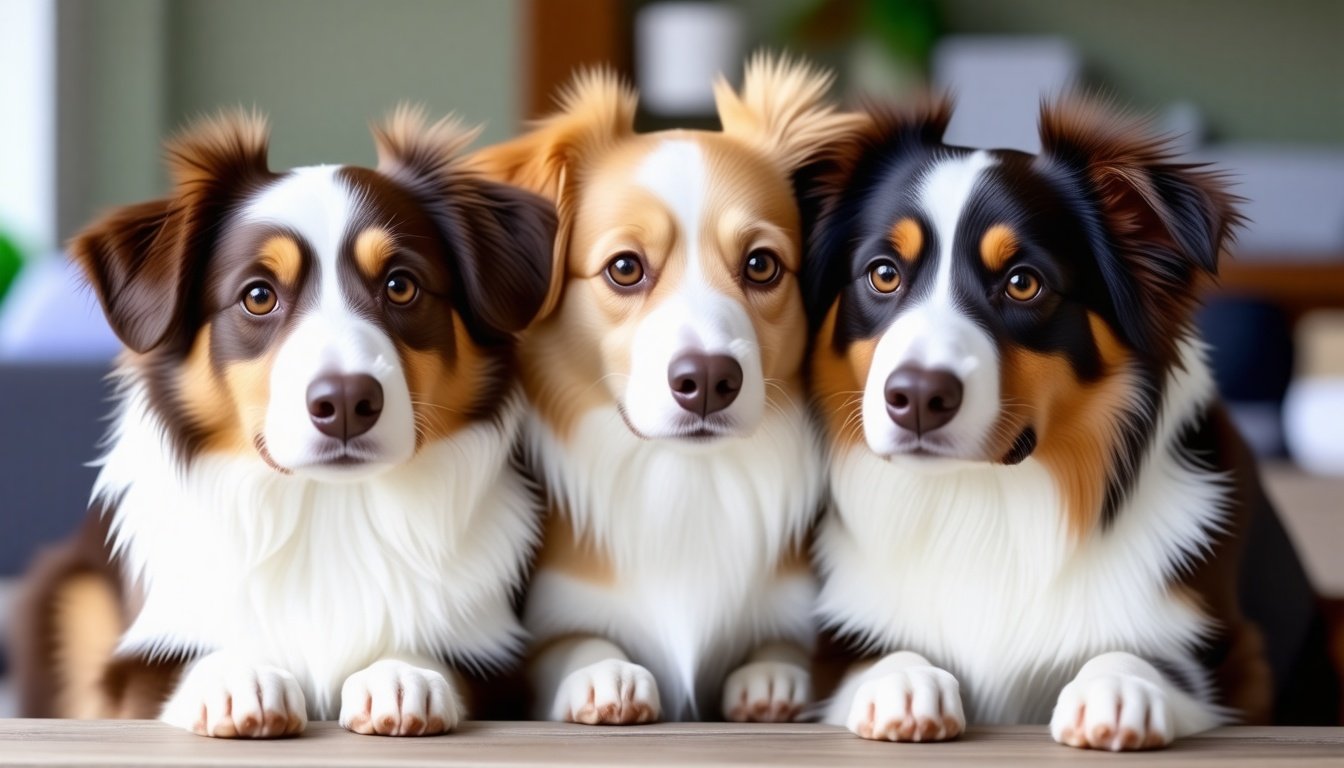
When my family decided to bring home a dog, nobody thought it would shift the way we lived—not just a bit, but in a way that pulled us all closer to nature and made us rethink the stuff we buy every day. And not just dog stuff, but everything. Kind of wild, right? How something as simple as a wagging tail and a goofy smile could push us toward a lifestyle that felt better, not just for us, but for the planet too.
We did not start with grand ideas or big plans. It was more like a slow nudge. One day, I caught myself staring at the plastic packaging of a dog toy, wondering where it would end up after it broke. Would it rot, or just stick around forever? That little thought spiraled into many others. How much waste do pets create? And what could we do about it? The more we looked, the clearer it became: pet care was a tiny piece of a massive puzzle. And if we wanted to do right by this world—by the parks, the trees, and the rivers we love—we had to start somewhere.
How It All Began: From Convenience to Consciousness
At first, our pet care choices were as basic as anyone else’s. We grabbed whatever was easy and cheap. Some treats from the supermarket, plastic toys that squeaked, and food in those shiny bags that promised everything but never shared what was really inside.
Then came the realization. Our little dog was part of a bigger story. A story about landfills stuffed with old toys and packaging, about tiny creatures living in oceans filled with plastic. We began to notice the packaging everywhere—on the trail, on the street, and even in the water bowls of public parks. Yikes.
Suddenly, this question hit us hard: Could we love our pet and the planet at the same time? The answer was yes, but it was not always easy. We had to start asking questions that felt weird at first. Like: Where was that toy made? What was it made from? Can it be recycled or composted? Did the food come from farms that treated animals and the land kindly?
Small Steps with Big Heart
One of the first changes we made was swapping plastic poop bags for biodegradable ones. For a while, it felt silly. The new bags were thinner and smelled different. It was a humble start, but it made a big difference in how we thought about waste. It was something we could do every day, in every walk, that added up.
Then we hit the toys. No more cheap plastic that would break after two chews. Instead, we found toys made from natural rubber or recycled materials. They were pricier, sure, but they lasted longer and, honestly, they were way more interesting. Some even smelled like lavender or gave off a fresh, earthy vibe. Our dog seemed to like that, too.
Why Sustainable Pet Care Matters More Than You Think
Here is the kicker: pet care can create a lot of waste. Between food packaging, grooming products, toys, bedding, and even those little moments like treats and chew bones—there is a mountain of stuff. And much of it has a heavy footprint on the planet.
Think about the plastic in dog toys, the chemicals in shampoos, and food pellets made from industrial farming. That stuff adds up. Plus, pets themselves have a carbon pawprint—yes, it is a thing—and that made us feel even more responsible. We were not just caring for a living being; we were shaping an ecosystem around them.
Here is why caring in a sustainable way feels so good: it respects life in all forms. It means we are honoring the water, the air, the soil, and the tiny critters we do not even see. It means our dog’s happily wagging tail is connected to clean rivers and healthy forests. It is like love multiplied.
Eco-Friendly Pet Products That Changed Our Routine
- Natural and Organic Pet Food: We switched to food with simple ingredients, no mystery meats, and from companies that care about how animals and farmers are treated. It did not take long for us to see a difference in our dog’s energy and coat.
- Compostable Waste Bags: Those bags that break down instead of turning into plastic bits? Game changers for walks around the block.
- Recycled or Biodegradable Toys: Toys made from recycled tires, hemp, or organic cotton replaced the plastic ones. They held up better and felt better—honestly, it was like our dog knew the difference.
- Eco Grooming Products: Natural shampoos with no harsh chemicals helped our dog and the planet. No more stinky, chemical smells.
- Sustainable Bedding: Instead of polyester or foam, we chose beds stuffed with organic cotton or recycled fibers. They were soft, cozy, and kind to the earth.
When the Family Joins In
Making these changes was not just my thing. It became a family mission. My kids started pitching ideas for homemade dog treats using kitchen scraps and bulk spices. They took on the sacred task of washing new toys to make sure they were clean without chemicals. My partner researched brands and read every label. At dinner, we would chat about what was coming next in our sustainable journey.
The dog, of course, was oblivious to it all. But I bet he liked the clean air on our walks and the longer-lasting toys.
Something surprising happened: we all started feeling more connected. Not just to our dog, but to each other and the world outside. It became a little adventure, a shared goal that did not feel like a chore.
Lessons We Learned (And You Can Too)
- It Does Not Have to Be Perfect: We made mistakes. Bought some junky products before realizing they were bad for the earth. That is okay. The goal was progress, not perfection.
- Questions Are Powerful: Asking “Where does this come from?” or “What happens to this after I throw it away?” helped us make smarter choices every time.
- Local Matters: Choosing local brands or products that source locally made a huge difference. It cut down on transportation and helped small businesses that cared about the same things we did.
- DIY Is Fun: Homemade treats, toys, even beds brought joy and creativity to our routine.
- Community Support Helps: We connected with other pet owners who cared about sustainability. Sharing tips and swapping products made the journey easier and more fun.
Tips for Anyone Thinking About Sustainable Pet Care
If your pet has a place in your heart (which, let us be honest, they probably do), these tips might make your everyday routine a little greener:
- Choose Food Wisely: Look for simple ingredients and brands that care about farm and animal welfare.
- Ditch Plastic Toys: Hunt for toys made from natural, recycled, or biodegradable materials.
- Use Compostable Bags: They cost a bit more, but they disappear faster and do not clutter the planet.
- Try Homemade Treats: All you need are a few ingredients and a bit of creativity. Pets love the personal touch, and you know exactly what is inside.
- Pick Natural Grooming Products: Avoid harsh chemicals that can hurt your pet’s skin and pollute waterways.
- Support Brands with Heart: Find companies that give back to the environment or use sustainable practices.
- Recycle and Reuse: Keep using old furniture or blankets as pet beds instead of buying new ones all the time.
The Ripple Effect: What Feels Different Now
This journey did not just change what we buy or how we care for our pet; it shifted how we live. We pay more attention to our trash, we talk more about the environment, and the kids even started bringing up ideas for their school projects inspired by what we do at home.
Our walks changed too. We bring reusable water bottles, pick up trash when we see it, and marvel at the little moments—like the smell of pine trees or watching a bird build a nest. In a strange way, our dog’s needs opened a door to a bigger, kinder world.
Would I have guessed that sustainable pet care would turn into something so personal and so big? Nope. But here it is, a family mission that feels like love in action. And that feels pretty amazing.
So, if you have a pet or are thinking about getting one, maybe give this a thought: what if caring for them could be a way of caring for the whole planet? It is possible. And it might just change the way you see the world.