
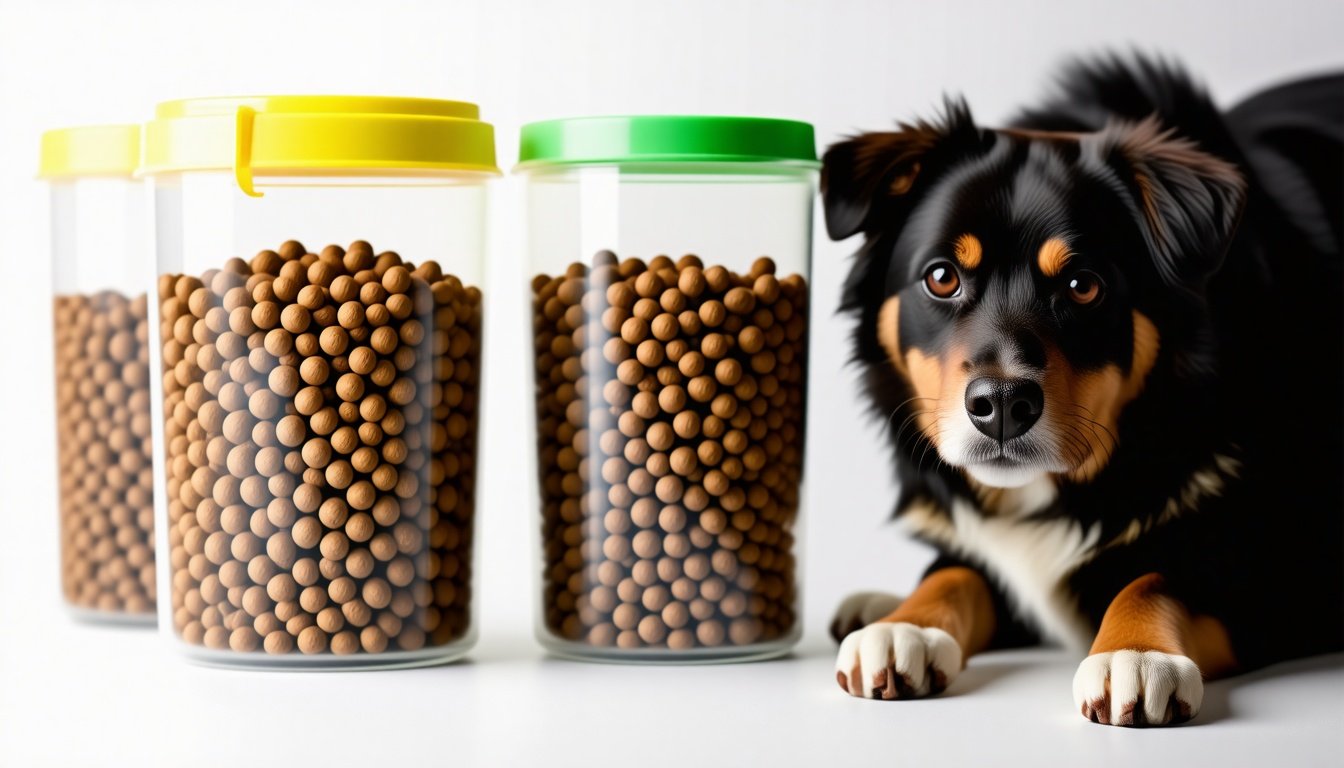
How often do we think about the little things that pile up into big problems? I mean, I have always loved my pet’s shiny coat and bouncy step, but I never really paused to wonder what happens to all those plastic bags from the pet food. You know, the big, crinkly bags that come with every purchase, stacking up in the trash, or worse, floating somewhere in the ocean. One day, standing next to the overflowing recycling bin, it hit me. Could I do something different? Could I cut down on the waste without making my life harder? That was the moment I found myself staring at refillable pet food containers—and decided to give them a try.
Why Refillable Pet Food Containers?
At first, the idea sounded a bit fancy. Refillable containers? For pet food? Was I turning into one of those ultra-minimalist folks who measure every crumb and sip? No, I just wanted to do better for the planet and for my pet. The truth is, pet food packaging often ends up as landfill or litter because it is made from multiple layers of plastics and foils that cannot be recycled easily.
Using refillable containers felt like a small way to take the power back. Instead of squeezing out the last bit from a crumpled bag, then tossing it, I’d be opening a sturdy, reusable tub. No more plastic mountains, less mess, and a cleaner kitchen too. Plus, these containers promised to keep the food fresh longer, which sounded like a bonus.
Buying the Right Container Was Its Own Adventure
I did not think it would be so tricky. So many options flooded the market with all sorts of sizes, shapes, and materials. Plastic? Metal? Glass? Clear or opaque? What about lids? Airtight or snap-on? It took me a while to realize I wanted something that was:
- Big enough to hold at least two weeks’ worth of food (because I hate refilling all the time).
- Easily cleanable (hello, pet food grease and crumbs everywhere).
- Durable but not super heavy (I lift these containers at least twice daily).
- Made from materials that do not weirdly smell or affect the food’s taste.
- Simple to open but seal tight.
Eventually, I landed on a BPA-free plastic container with a silicone seal and a locking lid. It was clear, so I could see when it was time to refill, and the size was perfect for my dog’s usual kibble ration. Plus, it came with a little scoop that attached magnetically—or well, sort of magnetically, which I found delightfully silly.
The First Week: A Mix of Excitement and Questions
When the container arrived, it looked a bit too shiny, almost like it belonged on a kitchen display shelf rather than next to a bag of dog food. But I was ready to roll. I poured the kibble in, locked the lid, and gave it a solid shake to settle the food inside. The smell was familiar, but the air tightness kept it fresh, and there was no weird plastic scent at all.
But then came the real test: the day-to-day routine. Would it be easier or harder? Would my dog notice the change? Would I want to toss it aside after a week?
Turns out, each feeding became a small ritual that I looked forward to. The scoop was right there, no digging around the crumpled bag. No food spilled on the floor. My pet definitely noticed the routine, and I like to think she appreciated the fresh, crunchy bites every time. It was a tiny win, but it felt good—a ritual that said, “we care.”
What About Waste? The Good, the Not-So-Good, and the Unexpected
Here is the part where I thought I would save the world overnight. Reality check: switching to refillable containers cuts down the waste of food bags, sure. But it does not magically erase trash from all parts of my life. Still, that big ol’ plastic bag that used to hit the bin every week? That disappeared. And since the container was reusable, I avoided buying those flimsy single-use bags that usually get tossed immediately.
Washing the container required a little mindfulness too. Pet food can be oily, and if left uncleaned, it could attract bugs or get smelly. But luckily, a simple warm water rinse and drying every couple of weeks kept the container pristine. Sometimes I used a little vinegar—a trick I learned to keep things clean and chemical-free.
One surprise: the container helped me notice the amount I was feeding better. Without the bag to eye-ball, I measured meals more carefully, which helped prevent overfeeding. That meant less wasted food, which is waste too, if you think about it.
Downsides? Sure, a Few
I am not going to pretend this was perfect. For one, the container takes up more space than the squashed pet food bags I used to toss in the corner. My kitchen shelf looked a bit stuffed at first, making me wish I had planned better storage. Also, refilling the container requires buying pet food either in larger bags or from bulk bins—which are not available everywhere. This made me realize not every eco-friendly change fits every lifestyle immediately.
One small annoyance was that the clear container shows the crumbs and bits that sometimes fall off the kibble. It made me want to clean it more often than I probably needed to. But hey, that is part of the charm, right? Being more connected with what I feed my dog.
Feeling the Difference Over Time
A few months in, I started to appreciate the rhythm of using refillable containers. The little routine became part of our lives, and the kitchen felt tidier. I noticed the small pile of empty plastic bags by the trash can shrinking week by week, which felt like a quiet victory in a world where big changes often feel just out of reach.
My dog’s food stayed fresher longer, too. No more stale or weird-smelling kibble, which I think helped her keep her appetite. It made me realize how much we take freshness for granted and how simple tools can make a difference.
Plus, it opened a door to other changes.
- I started looking for bulk pet food stores to refill the containers directly.
- I experimented with homemade treats stored in similar containers.
- I got curious about other ways to reduce waste in pet care—like composting used pet hair and switching to biodegradable poop bags.
Would I Recommend Refillable Containers to You?
If you have ever felt overwhelmed by the mountain of pet food packaging, or if you just want to do one practical thing that does not feel like a chore, this might just be your jam. It does not solve all waste problems, but it definitely feels like a step in the right direction. Plus, it makes feeding time a little more mindful and a little less wasteful.
Sure, it takes a bit of effort to start and some adjustment in your storage and buying habits. But that small effort turns into daily wins—less trash, fresher food, and a tidier home. And honestly, when it comes to caring for a creature that loves you unconditionally, those wins mean a lot.
Final Thoughts (Because I Have to Say Something Somewhere)
Going green with pet care is a journey full of funny little surprises and moments of satisfaction. Refillable pet food containers became one of those surprising helpers on my path. They make me feel connected—not just to my pet, but to the planet. And on days when I feel powerless watching the news or overwhelmed by plastic packaging everywhere, this little change reminds me that some choices, no matter how small, truly add up.
So, if you are curious, take one container, fill it with love (and kibble), and see how it feels. Sometimes, changing the world starts right where your pet eats.