
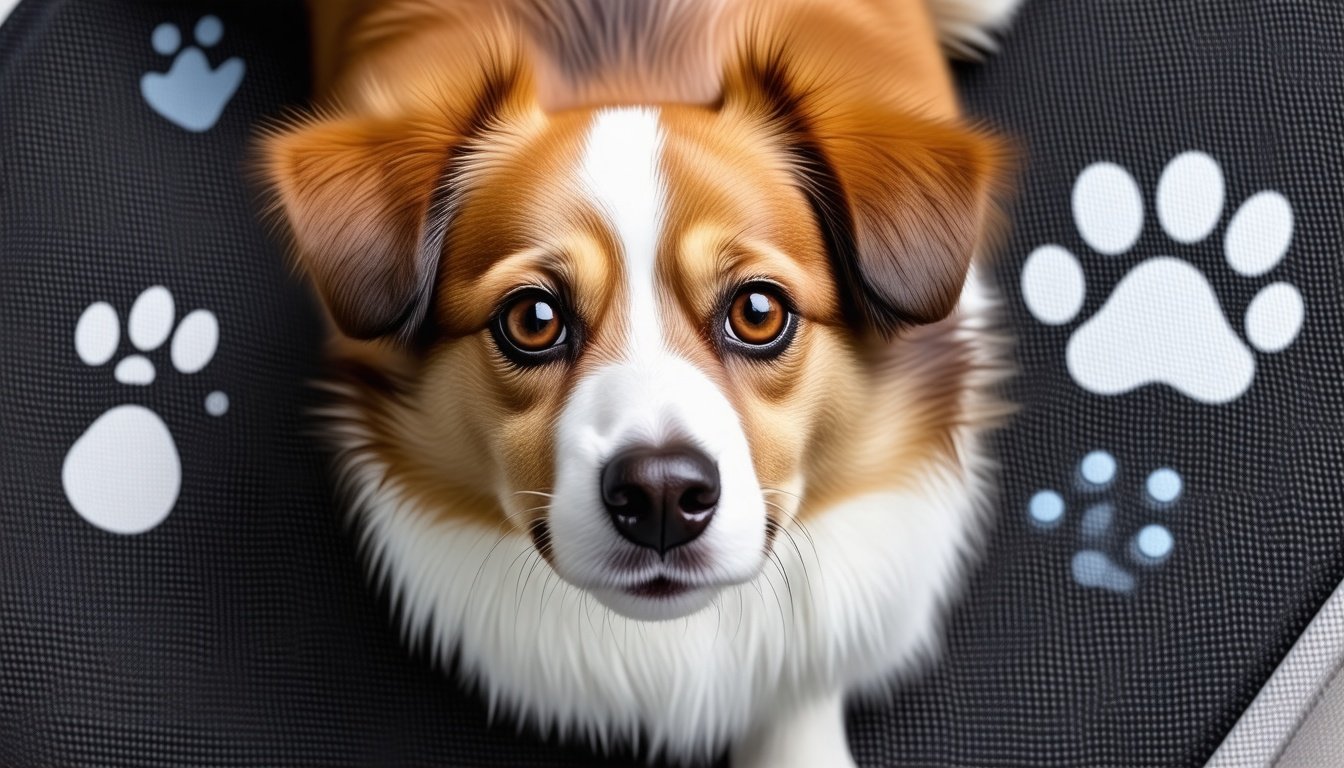
Imagine this: you wake up to a wagging tail nudging your hand, a slobbery kiss, and the unmistakable sound of paws dancing across the floor. Life with dogs is messy, loud, full of love, and honestly, better in almost every way. But there’s something nagging underneath all that joy—how do we keep loving our canine companions while not wrecking the planet they will inherit? To be honest, that question feels pretty big, even overwhelming at times. But here is the thing: loving dogs and caring for the planet can go hand in paw, and it turns out, small tweaks add up faster than you might think.
Let us talk about sustainable pet care and eco-friendly pet products—the little choices that feel good and do good without turning your life upside down. Because taking care of your dog should make your heart full, not your conscience heavy.
Why Thinking About Eco-Friendly Pet Care Matters
We all want to spoil our dogs with the best food, toys, and treats. And they deserve it. But the pet industry is a big deal—giant, actually, creating plenty of waste and using resources at a rate that feels unsustainable. From packaging to production to what ends up in the trash, each choice has a ripple effect.
Dogs do not ask for much, really. Their world thrives on simple joys—a run at the park, a game of fetch, a warm lap to lie on. So maybe we can give them all this *and* be kinder to the earth. Maybe the “best” for their health and happiness means rethinking how we buy and care for their stuff.
Start With the Basics: Food That Feels Good Inside and Out
Food is a big one. It is the biggest part of your dog’s carbon pawprint. The meat-heavy diets typical for dogs have a surprisingly large environmental impact. That beef patty your dog’s chow has probably required a ton of water, land, and energy. Sound shocking? It kind of is.
So what can you do?
- Look for sustainably sourced ingredients. Companies with transparent sourcing often use local farms or better practices that protect ecosystems. This is a good sign.
- Try plant-based or mixed diets. Some dogs thrive on formulas with lower meat content or plant proteins mixed in. No, it is not about turning your dog vegan overnight—more like easing into something less resource-heavy.
- Consider homemade meals carefully. If you cook your dog’s food, choose organic, local vegetables and meats when possible. It might take more time but cuts down on packaging and transport emissions.
- Reduce waste via portion control. Avoid overfeeding and throwing away food. Scoop out what your dog actually needs and store leftovers properly to keep them fresh.
It feels good knowing the food you piled up in your pup’s bowl does not come at the planet’s expense. Plus, it is often healthier for them, too.
Eco-Friendly Dog Toys: Fun Without the Fuss
Toys are like candy for dogs—never enough, always fun, often disposable. That squeaky plastic ball might bring joy for a day, then a sad chunk ends up in the trash. Does that sound right to you? Probably not.
You want playful, yes, but less trash, please. Here are some easy swaps and ideas:
- Choose toys made from natural materials. Wood, cotton, hemp, wool—these break down faster on the planet and often feel better to fetch or chew on.
- Look for durability. A toy that lasts six months is better than six toys that last a week. Fewer replacements means less waste.
- Reclaimed or recycled materials. Some brands make toys from recycled plastic or repurposed fabrics, giving trash a second life.
- DIY toys. Old t-shirts braided into tug toys, tennis balls with holes for treat puzzles, or even cardboard boxes turned castles—dogs are happy with simpler things.
Remember, dogs do not care about brand names or fancy packaging. They care about connection and playtime. So grab some yarn, your creativity, and watch your dog wag with delight.
Waste Not: Cleaning Up Responsibly
Poop bags. The necessary evil of dog ownership. We all fuss and groan about them. But plastic poop bags pile up in landfills, sometimes clog our beautiful oceans. So how do we clean up after our dogs without feeling icky or harming the earth?
- Try biodegradable or compostable poop bags. These bags break down faster and reduce long-term waste. Just check for certifications to avoid greenwashing.
- Use a dedicated dog waste compost bin. If you have space, composting dog waste can be done safely with special bins or systems. It takes care and knowledge but cuts down landfill load.
- Pick your walks smartly. Sticking to grassy areas or trails where dog waste is managed reduces harm to sensitive ecosystems.
- Reusable poop-scooping tools. Some gadgets let you scoop without bags, just rinse and reuse. Great for the zero-waste curious.
Let us face it: responsible cleanup is not glamorous, but it is part of loving your dog and your planet.
Grooming and Health: Natural Choices That Shine
We dogs owners know the battle against the shedding is real. But the products we use to keep our pups fresh often come with chemicals, plastics, and environmental baggage.
Try these instead:
- Shampoos and conditioners with natural, plant-based ingredients. No harsh detergents means less skin irritation and less pollution running down your drain.
- Brushes made with bamboo or recycled plastic. They hold up longer and feel good in your hand.
- Eco-friendly nail clippers and dental care tools. Look for brands using fewer plastics or sustainably sourced metals.
- Homemade grooming treatments. Coconut oil for fur shine, diluted apple cider vinegar for skin, and regular brushing reduce need for pricey products.
Grooming is also a moment to connect, to slow down, to care deeply. Pick products that make that moment joyful—not toxic.
Packaging and Shopping Smarter
Here is a wild truth: packaging might be the sneakiest source of waste in pet care. Bags, boxes, wraps, and plastic inserts pile up faster than you expect. What can you do?
- Buy in bulk when possible. Big bags of food or treat boxes mean less packaging per meal.
- Choose brands that use recycled or minimal packaging. Websites often tell you, or you can email customer service to ask.
- Shop local pet stores. Skip the online plastic mountain and support small businesses where you can bring your own bags.
- Reuse packaging creatively. Those little bags or boxes can become storage for toys, grooming tools, or travel essentials.
Shopping with your dog’s carbon pawprint in mind does not mean sacrificing convenience. It means getting clever, asking questions, and making it part of your routine.
The Emotional Bit: Why It Matters So Much
It is easy to feel small and powerless. The world’s problems are huge, and your dog’s treats seem like a drop in the ocean. But every walk you take with reusable bags, every toy you pick that lasts, every meal you feed that respects the earth—these are the ripples that become waves.
Besides, there is a quiet joy in knowing that your daily life choices do not clash with your love for your dog or your world. It feels like integrity with every bite, lick, and wag. Like you are part of a bigger, kinder story.
And your dog will probably sniff things out better than you, reward your care with sloppy kisses, and never ask for more than your attention and love. They show us every day how connection matters more than consumption.
Where To Start? One Small Step Is Enough
You do not need to overhaul everything overnight. Pick one small thing. Maybe it is swapping your dog’s plastic poop bags or making a batch of homemade treats instead of buying new ones. Maybe it is choosing a wooden chew toy instead of plastic.
Try it for a week. Notice how it feels. Notice if your dog notices (spoiler: they probably do not care much, but you will feel better). Then pick another small step. Watch those small steps add up.
Because living with dogs and reducing our carbon pawprint is a journey. A journey full of love, laughter, and lots of muddy paws. But also, a journey where caring for our companions and the planet happen together—tail in hand.