
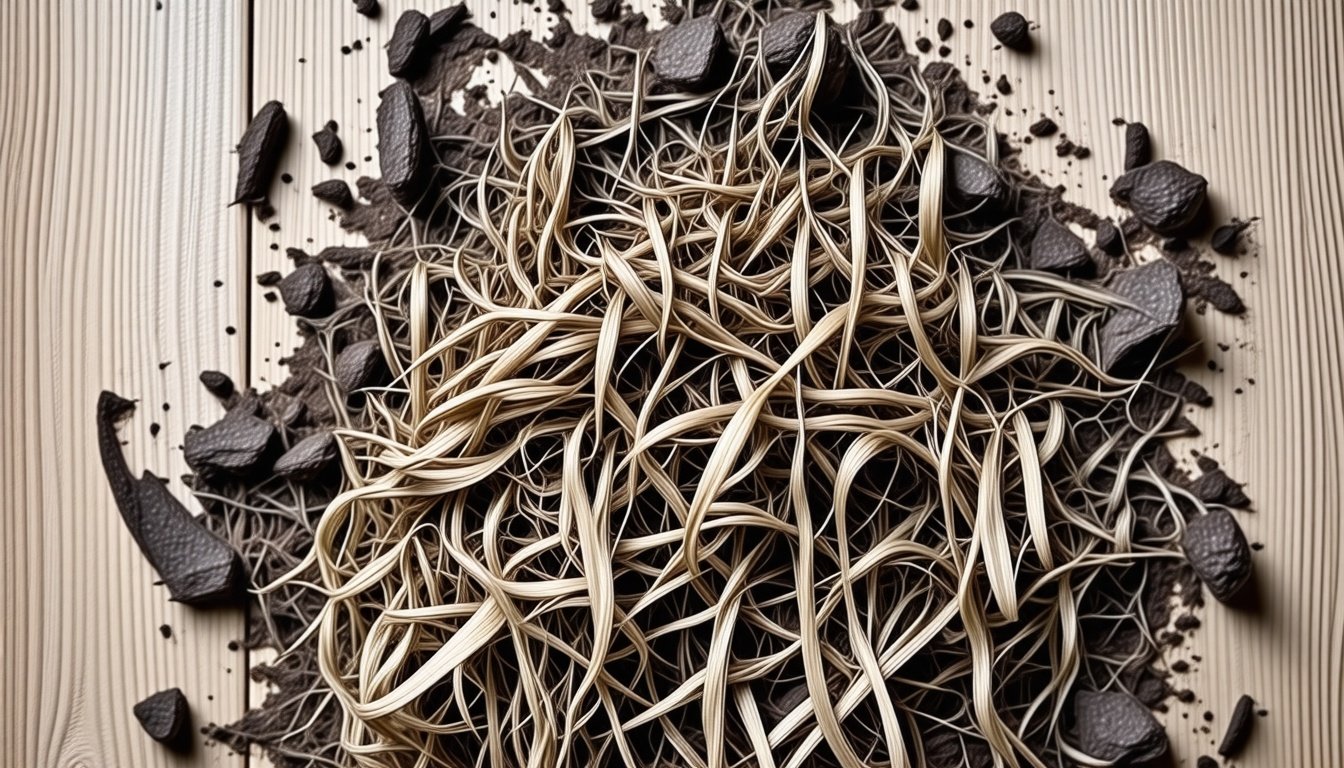
So, you have a mountain of pet hair lying around the house. Maybe it is stuck in your socks, lounging on the couch, or clinging to every outfit you own like it has some secret mission. And there you are, wondering—can I compost this fluff? Is it even possible? What happens if I try? Spoiler alert: yes, you can compost pet hair, and it is more of a wild ride than you might expect.
Composting pet hair feels a bit like cracking a code written by your cat or dog, a mystery tangled up in everyday life. It might sound strange or even a little gross at first, but if you love your pets and the planet, it is a combo worth trying. Pet hair is natural, full of nitrogen, and a great addition to the compost pile. But, oh boy, it comes with its quirks, challenges, and, yes, some surprisingly joyful moments along the way.
Why Bother Composting Pet Hair?
Let us start with the basics. Pet hair might seem like trash—something to sweep away and chuck into the bin without a second thought. But it is really just another kind of natural fiber. Your dog or cat sheds hair daily, and while it can feel overwhelming, it has a place in the grand circle of life.
Hair is rich in nitrogen, which plants love. If you toss it in the trash, it goes to a landfill, where it might take a long time to break down or cause methane emissions. But toss it into your compost, and it becomes part of that magical process that turns kitchen scraps, leaves, and yes, pet hair into rich earth. That earth can then help your garden grow. That is pretty cool, right?
Plus, composting pet hair is a simple way to reduce waste from your household and give your pets a starring role in helping the planet—without your pet even noticing. You just gather, compost, and watch the cycle continue. But don’t get ahead of yourself. It is not all sunshine and rainbows.
The Hairy Challenges of Composting Pet Hair
Before you rush out and start throwing dog hair into your pile, there are a few things you need to think about. Pet hair does not behave like vegetable scraps or dry leaves. It is a little stubborn, a bit clingy, and can be tricky to break down.
1. Hair Loves to Mat
If you toss a big clump of hair into your compost bin, expect it to sit there like a tightly wound ball for a long time. Hair strands often stick together, forming mats that slow decomposition. It is like your compost pile suddenly decided to grow a beard it does not want to shave off.
The trick is to break up hair clumps as much as possible before adding them. Comb it through your fingers or mix it with other compost materials that help fluff things up, like dry leaves or straw. Keeping hair loose makes it easier for soil microbes to get their teeth into it.
2. Fur and Pet Parasites
This one might make you pause. If your pets have fleas, ticks, or other little six-legged passengers, is it safe to compost their hair? The answer is yes, but with caution.
Heat kills most parasites. A hot compost pile reaching temperatures of 130 to 150 degrees Fahrenheit can zap those creepy crawlies. But if your compost stays chilly and slow, those unwelcome guests might survive and try to come back as post-compost party crashers.
To be safe, only use pet hair from healthy, parasite-free animals. Or consider hot composting methods if you want to be extra sure. Cold compost piles just do not cut it here.
3. The Smell Factor
Hair itself does not smell bad, but it can carry oils from your pet’s skin or even a bit of dirt. If you dump lots of hair in a pile without mixing, it might start to get funky. Nobody wants a compost bin smelling like a wet dog funeral.
Mix hair well with carbon-rich materials like dry leaves, shredded paper, or wood chips. And keep turning your pile regularly to let it breathe. That airflow works wonders in keeping odors at bay.
4. Beware of Chemical Treatments
Some pet products, like flea shampoos or medicated treatments, leave residues on your pet’s fur. Those chemicals can interfere with the composting process or harm beneficial microbes breaking down materials.
If you know your pet’s been treated recently, maybe hold off on adding their hair to the compost for a while. It is a small pause but worth it if you want clean, healthy compost at the end.
The Joys That Make It Worthwhile
Yes, composting pet hair has its hiccups, but it also brings little surprises that make the effort worthwhile.
1. Your Garden Gets a Nitrogen Boost
Plants need nitrogen like we need oxygen. Pet hair is a nitrogen powerhouse, acting as a “green” ingredient in compost. When broken down, it feeds the soil microbes, which then feed your plants. Happy plants, healthy garden, happy you.
2. It Feels Like Recycling From the Heart
When you collect hair while brushing your pet, you are doing a small, kind act that goes beyond keeping your clothes hair-free. You are turning something often viewed as waste into nourishment for the earth. Kind of like turning a messy problem into a secret superpower.
There is a deep satisfaction in this. For a few minutes a day, you become part gardener, part recycler, and part caretaker of your animal’s natural gifts.
3. It Keeps Waste Out of Landfills
Landfills are overcrowded, and organic waste piles up while releasing gases that warm the planet. Composting pet hair means one less thing heading to the dump. Little victories like this add up to big wins over time.
4. It Sparks Creativity
Figuring out how to compost pet hair can make you think in new ways. Maybe you start experimenting with worm bins to see if those tiny creatures nibble on your cats’ fur. Or you mix hair with coffee grounds, eggshells, and dry leaves to find your perfect compost recipe.
It is a little gardening adventure wrapped up in every handful of fur.
How To Compost Pet Hair At Home: The Simple Steps
If you want to jump in, here is how you can get started without losing your mind.
- Collect the Hair: Brush your pet regularly. Collect hair in a container or paper bag. Avoid plastic to keep things fresh and breathable.
- Check for Parasites: Only compost hair from pets free of fleas and ticks. Hot composting methods help kill anything hiding in the fluff.
- Break Up Clumps: Shake out big balls of hair. Spread them out. You want fluff, not fabric.
- Mix It Right: Combine hair with dry leaves, straw, shredded paper, or sawdust. This balances moisture and airflow.
- Turn the Pile: Stir your compost regularly. This speeds up breaking down hair and keeps smells away.
- Be Patient: Hair decomposes slowly. Give it time—weeks to months, sometimes longer.
- Use Finished Compost: When dark and crumbly, spread it in your garden beds or flower pots. Your plants will thank you.
Extra Fun: Upcycling Pet Hair Beyond Composting
If you are feeling extra inspired, pet hair can do more than just enrich your compost.
- Make Nesting Material: Birds love soft pet hair to line their nests in spring. Simply leave small piles outside away from predators.
- DIY Yarn: Some crafty souls spin pet hair into yarn for knitting. It is surprisingly soft and warm—perfect for scarves or hats.
- Stuff Pillows or Toys: You can even use clean hair to stuff homemade pet toys or pillows. Just wash it well before starting.
Combining these creative uses with composting can make your pet’s shedding feel less like a messy nuisance and more like a gift that keeps on giving.
When Composting Pet Hair Feels Like a Love-Hate Relationship
Some days it feels like pet hair is the enemy. It sticks to everything, refuses to disappear, and turns your vacuum into a full-time job. Other days, it is a reminder that your pet is part of the natural world, even when they leave their mark on your favorite chair.
Composting pet hair is a little bit about patience, a little bit about curiosity, and a whole lot about finding joy in the small green things we can do. It is not perfect, and it requires thought, but it feels good.
Plus, turning pet hair into compost means you are giving back to the earth in a way that matches the love and mess your animal brings into your life. And really, that makes the challenges worth it.
Final Thoughts (But Not The Ending!)
If you want to live sustainably with your pets, composting their hair is a way to add a little eco-friendly magic to your routine. It is a project that requires trial and error. It is sometimes slow, sometimes slimy, but often surprisingly rewarding.
So grab that brush, gather the fluff, and start turning your pet’s shed hair into soil gold. Your garden, your conscience, and your pet’s next big nap zone will all thank you.