
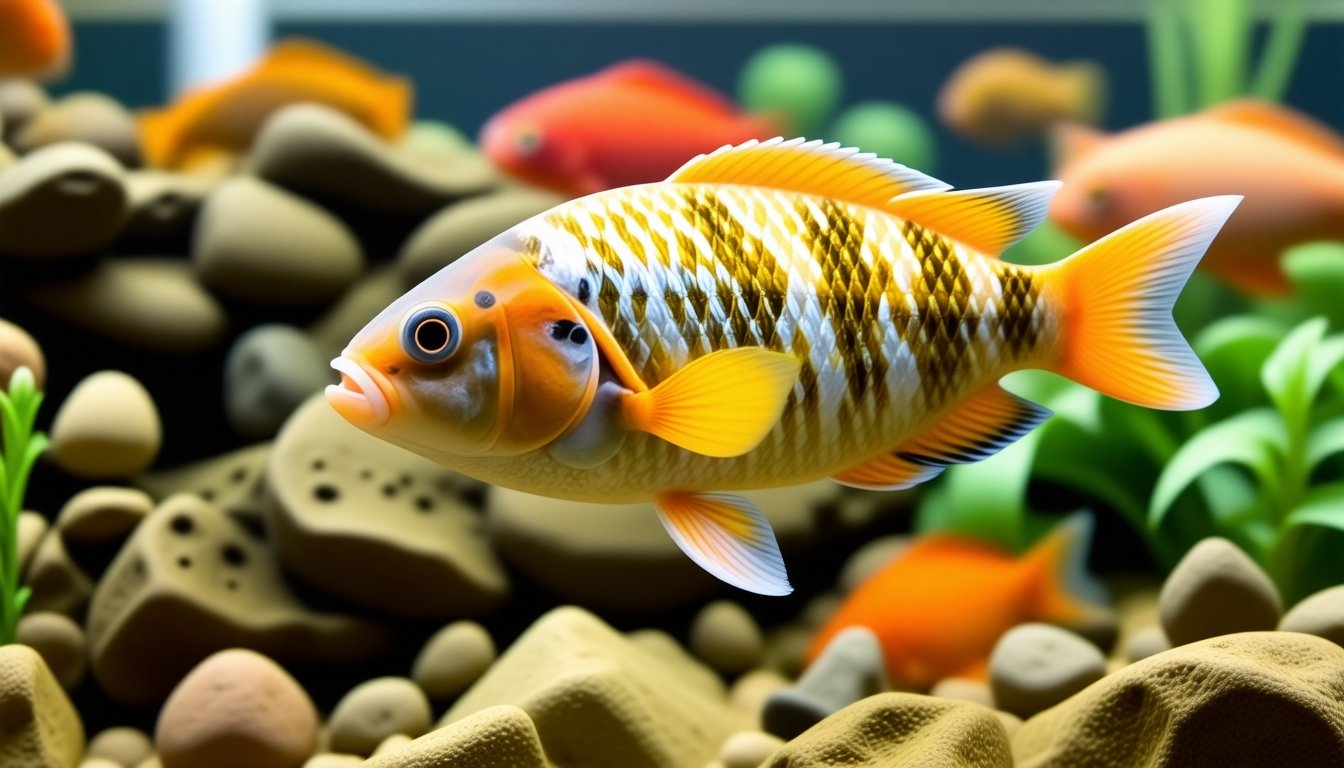
Okay, confession time. I have a tiny obsession with my aquarium. Not just the pretty colors or the peaceful vibe it brings to my living room. No, it is about those little fish swimming around like they own the place, and my weird little way of trying to keep them as happy and healthy as possible. So when I stumbled upon sustainable fish food, something clicked in my brain. Could changing what I feed these finny buddies actually make a difference—not just for them, but for the environment too?
Here’s the thing: fish food sounds boring. Like, “meh, why should I care if it is sustainable or not?” But if your fish could talk—and I am pretty sure mine would after some sushi nights—they probably would say, “Hey, thanks for thinking about the planet while feeding me!” So I made the switch, and honestly? I did not expect what happened next.
A Bit About Sustainable Fish Food (Without the Jargon)
Let us back up a second. What exactly is sustainable fish food anyway? Spoiler: it is not some magic powder from a lab or algae harvested by mermaids. It means the stuff you give your fish was made in a way that does not wreck the environment or drain natural resources.
Regular fish flakes and pellets often come from wild-caught fish, like little sardines or anchovies, which are ground up to feed bigger fish. That sounds kinda gross if you imagine it too literally. Plus, that wild fish harvest sometimes messes with the ocean’s balance. Sustainable options try to skip that mess by using fish farming byproducts, plant proteins, or insects. Yup, bugs in fish food. Weird? Yeah, but also super smart.
Why I Decided to Give It a Go
Honestly, it was guilt. I love to think of myself as “eco-friendly” (anyone else have that little mental trophy?), but I was feeding my fish stuff packed with unsustainable ingredients. Plus, I kept reading that these sustainable options were supposed to be better for fish health too, not just the planet. So I thought, why not try? Worst case, my fish give me the silent treatment.
The First Week: Noticeably Different, but Not in a Weird Way
On day one, I swapped out the usual fish flakes for a sustainable brand that used insect protein. Insects! I kept staring at that bag wondering if I was setting myself up for a fishy disaster. But nope. My fish gobbled it up like it was the ocean’s finest buffet. No scandal there.
Over the next few days, I noticed my fish were swimming more actively. I mean, maybe I was just paying more attention, but they seemed perkier, their colors looked sharper, and their usual shy behavior melted away a bit. Was it because of the food? I thought maybe it was all in my head.
What Does Happier Fish Even Look Like?
To be honest, I never thought I could tell how happy my fish were. But here is what stands out in a lively aquarium:
- More energetic swimming and exploring
- Less hiding behind decorations
- Bright, vibrant coloring—like they are showing off for you
- Quickness to come up and eat when you feed them
All of these little signs felt more obvious after the food switch. It gave me a warm fuzzy feeling that maybe I was doing something right.
Looking Closer: Their Health Improved (No Joke)
A few weeks in, I realized something else—my fish’s scales looked shinier, and even their fins, those delicate flappy things, were less torn and ragged than before. They had fewer white spots, which can mean trouble like infections creeping in.
That alone made me happy. It was like watching little lives get a tiny upgrade because I made a simple swap in their diet. They seemed stronger, less stressed, and honestly, way more charming. Fish charm is real.
What Makes Sustainable Fish Food Different for Their Health?
Turns out, these foods often have higher-quality protein and extra nutrients that the fish’s bodies actually want and can digest better. Regular fish food sometimes uses fillers—stuff that is just cheap and fills space but does not help fish feel their best.
It made me wonder: why do we settle for that? Why not give our pets the food that really does them good? Fish included.
The Ripple Effect on My Aquarium’s Water Quality
Here is something I did not expect: the water got clearer. I mean, the kind of clear that you notice when it is not there anymore. Less murk, less annoying film floating on the surface.
That was a surprise because I thought food change would not affect water much. But the stuff I was feeding before seemed to produce more waste. Waste that, in a small, closed ecosystem like an aquarium, can get gnarly fast.
With sustainable food, less waste was left behind. This meant fewer water changes (which I am not huge on, confession), and less stress on the little filter doing all the hard work behind the scenes.
Less Waste = Happier Fish + Easier Life for Me
When you feed fish with better food, their bodies use up more nutrients and leave less junk in the tank. It is like when you eat something that digests cleanly and you feel lighter. I imagine fish feel the same way, swimming in cleaner water.
So, What About the Price?
Okay, I am not going to sugarcoat it. Sustainable fish food can be a bit pricier than the generic stuff you grab at the pet store checkout line. But here is how I looked at it:
- Better health for my fish could mean fewer vet visits or tank problems later
- Cleaner water means less time and money spent on expensive filters or chemicals
- Supporting brands that care about the planet feels worth a few extra bucks
After all, that daily handful of fish flakes is not breaking my bank either way. It is a matter of what kind of impact I want my dollars to have.
How to Make the Switch Without Freaking Out Your Fish
If you are thinking about jumping on the sustainable fish food train, here is some friendly advice from my experience.
- Mix the old with the new: Start by mixing sustainable bits with the regular flakes. Gradually increase the sustainable proportion over a week or two.
- Watch their reactions: If your fish act weird or refuse to eat, try another brand. Different species prefer different tastes.
- Stay consistent: It might take a few days for them to get used to the new flavors. Keep calm and keep feeding.
- Keep an eye on water quality: Notice if the tank looks cleaner after a while. If not, check if you need to adjust feeding amounts.
Patience Pays Off
I nearly panicked when my fish were suspicious of the first bites. But giving them time was the best move. In a week, they were back to their normal chow-down champions self. Trust me, fish are tougher than they look.
Why It Feels Good to Choose Sustainability—Even for Fish Food
There is something oddly satisfying about feeding little creatures in a way that respects their health and the planet. It feels like a tiny rebellion against all the wasteful, thoughtless products out there. Plus, it gives me a story to tell when friends come over and marvel at my clear water and happy fish.
I also love that I am teaching myself to care more deeply about the little things. If changing fish food can make a difference, what else can I do? It sparks a chain reaction, one small step at a time.
Our Pets Deserve the Best, Right?
Yes, they are fish. And yes, they may not send us thank you cards. But when you watch them thrive, it makes you feel like a tiny superhero in their little underwater world. Switching to sustainable fish food is that kind of simple, good thing you do that actually matters.
The Bottom Line (Without Saying ‘Bottom Line’)
If you have an aquarium, I urge you to think beyond the cheap flakes and pellets. Try a sustainable option. Watch what happens. Your fish might swim happier. Your water might sparkle more. And you might just feel a little brighter yourself for helping the planet, one fish meal at a time.
In the end, it is a small change with a gentle ripple of goodness. And hey, who does not want their tank—and their conscience—to look a little clearer?