
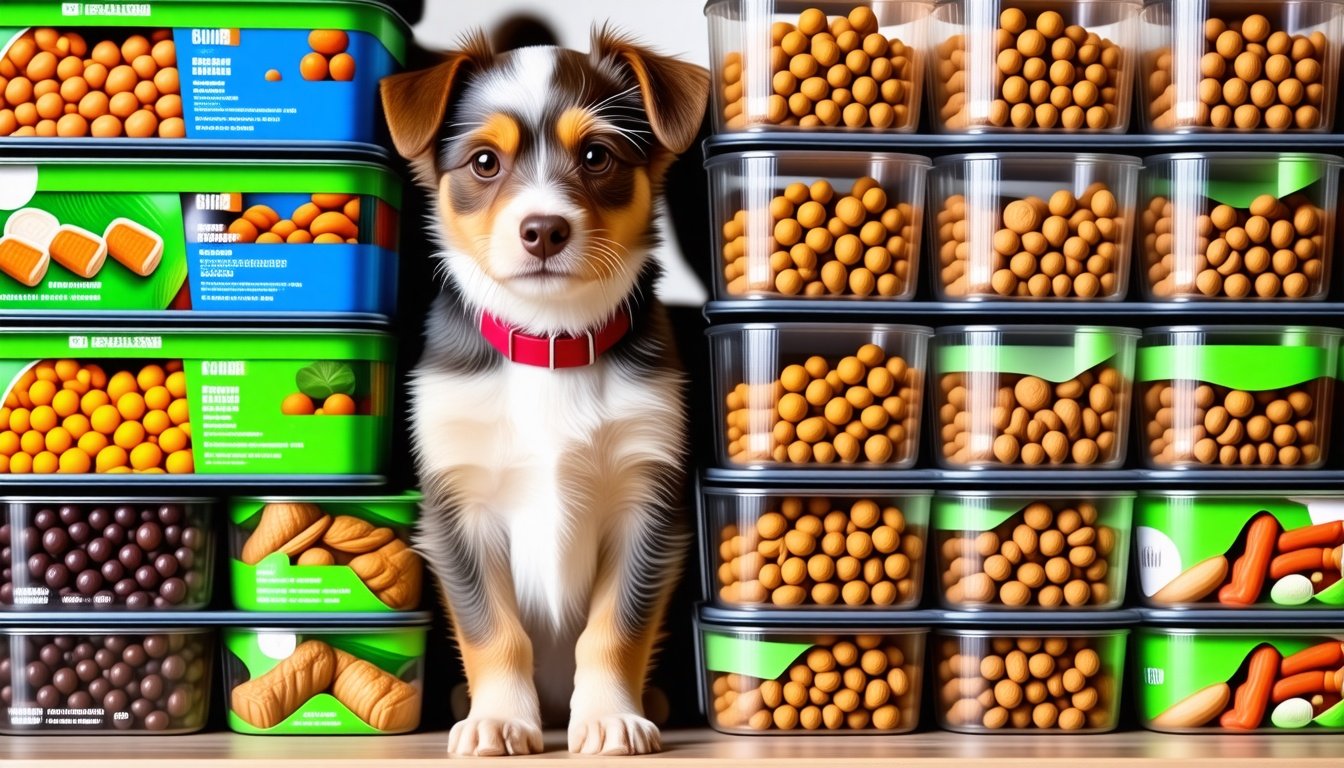
When I first picked up a bag of dog food and tried to figure out what was inside, I thought it was going to be quick and simple. Spoiler alert: it was not. What the heck do all those words mean? What about the ingredients I could not even pronounce? And why on earth did some brands pretend their food was all-natural yet list strange chemicals? If you feed your pet just like you feed yourself, you might start paying attention to labels too. And if, like me, you care about the planet your pet runs around on—well, things get even trickier.
Reading pet food labels for sustainability was eye-opening. It was like someone turned on a light in a dark room filled with hidden messages. Suddenly, what looked like a simple bag of kibble became a confusing puzzle wrapped in promises and marketing fluff. I had no idea the choices I made for my pet’s food could ripple far beyond my living room. This journey taught me that feeding pets sustainably is more than just picking the fanciest brand. It means reading between the lines, asking questions, and sometimes, feeling a little frustrated.
Why Should We Even Care About Sustainability in Pet Food?
You might wonder, “Why does it matter? It is just pet food.” But when you think about it, pets eat a lot. Millions of cats and dogs chow down billions of pounds of food every year. All this food takes resources—land, water, energy—to produce. Some ingredients come from places where farming ruins ecosystems or fish populations vanish faster than your dog’s favorite squeaky toy.
Feeding our pets does not have to be an environmental disaster, though. We can make smarter choices. But first, we need to understand what we are buying and what impact it has. This means learning to read pet food labels beyond just the “chicken” or “beef” words slapped on the package.
Spell It Out: What Does a Pet Food Label Really Tell You?
Pet food labels look like a secret code. You have ingredients, guaranteed analysis, life stage, brand promises, and a million claims that make your head spin. Here is what matters most when thinking about sustainability:
- Ingredients: Not just what they are, but where they come from and how they were raised or harvested.
- Protein Sources: Animal or plant? And are those animals raised responsibly?
- Filler Ingredients: Are there cheap fillers that waste resources or harm your pet?
- Packaging: Can it be recycled or composted? Or will it just sit in a landfill forever?
- Certifications: Organic, non-GMO, sustainably sourced—do these labels mean something real or are they just marketing tricks?
The Ingredients List: More Than Just a Grocery Receipt
This is where most people start and stop. But just knowing what ingredients are there is not enough. For example, “chicken” does not tell you if the chicken was raised on a massive factory farm or on a small farm where animals roam outdoors. The difference is huge—not only for the environment but also for the health of your pet.
One shocker I found was how some pet foods use “meat meal” or “by-products.” That sounds gross, right? It can be, but it depends. Sometimes these are parts of animals humans don’t eat but still are nutritious for pets. Other times, it is a way to recycle waste that would otherwise go to landfill. But if it comes from animals treated with antibiotics or harsh chemicals, that is bad news for sustainability.
Another thing I learned: some pet foods list “fish” or “seafood.” Overfishing is a real problem. Some brands, however, use fish from well-managed sources or certified sustainable fisheries. The label might say “MSC certified”—a code worth remembering if you want to shop responsibly.
Plant-Based Proteins and Sustainability
I did not expect to see pea protein, lentils, or chickpeas on a bag of dog food, but they showed up more often than I imagined. Plant proteins use less water and land than meat, so this is a good sign. But some pets, like cats, need meat proteins to stay healthy. Still, finding a mix that lowers meat content but keeps nutrition strong is a win for the planet.
Of course, not all plants are created equal. Some ingredients may come from farms using heavy pesticides or wiping out local wildlife. That is where certifications like organic or non-GMO start to make a difference. It means farms used gentler methods, which is better for the soil, water, and bugs—yes, bugs matter for the whole food chain.
Fillers, Fillers, and More Fillers
If you see “corn,” “wheat,” or “soy” near the top of the ingredient list, take a moment. These are cheap fillers used to bulk up food without much nutritional value. They might be okay in small amounts, but large quantities waste limited resources and may not be great for your pet.
Also, some fillers come from monoculture farms—giant fields growing just one crop year after year. This kind of farming depletes soil and harms biodiversity. So, feeding your pet a diet heavy in fillers means you are indirectly supporting these farming practices.
Packaging That Does Not Suck
After all the ingredients, you finally grab the bag and see it is wrapped in plastic you can’t recycle. That little fact made me rethink everything. Sustainable pet food is only partially about what goes inside. It is also about what happens after you buy it.
Many brands are moving toward recyclable or compostable packaging. Some even use recycled materials to make bags or boxes. These packaging changes might seem small, but they add up when millions of people are buying pet food.
Read the Fine Print: Certifications That Matter
Labels like “organic,” “non-GMO,” or “certified sustainable” can be helpful clues. But the key is to check if those labels come from trusted organizations—not just slapped on by marketing. For example:
- USDA Organic: Means the food meets strict rules about pesticides, fertilizers, and animal treatment.
- MSC (Marine Stewardship Council): Shows fish was caught sustainably.
- Global Animal Partnership (GAP): Grades animal welfare standards.
Seeing these can help you feel less lost in the wilderness of pet food labels. But do a little homework, too. Sometimes, a label means nothing if the company does not follow through on its promises.
What I Learned About Brands and Marketing
Here is the thing: some pet food brands really want to help the environment and the animals they feed. Others? Well, they just want to look good on the shelf. Big words like “natural,” “holistic,” or “premium” do not guarantee a product is sustainable or even healthy.
I caught myself falling for slick packaging and cute logos more than once. It feels good to think you are doing right by your pet and the planet. But that feeling can be a trick if you do not look closer. You have to become a little skeptical, a little detective.
What helped me was learning about brands that openly share where ingredients come from, how animals are raised, and what they do to keep waste down. A brand that talks about working with local farmers or reducing plastic waste usually means business.
Practical Tips for Reading Labels like a Sustainability Pro
If you want to try this yourself, here are some simple ways to make pet food shopping a little less confusing and a lot more earth-friendly:
- Put the Ingredients First: Look for whole foods, not chemicals or unpronounceable words.
- Check Protein Sources: Prefer responsibly farmed meat, fish with sustainability labels, or plant proteins.
- Avoid Fillers: Watch out for too much corn, wheat, or soy.
- Look for Certifications: Organic, MSC, or animal welfare stamps help.
- Think About Packaging: Choose brands with recyclable or compostable bags.
- Do Some Googling: Find out if the company walks its talk.
Honestly, it is okay to not get everything right the first time. It takes a minute to learn new habits and habits are hard. But little changes, repeated often, make a big difference. Your pet and the planet will thank you.
The Emotional Side of Sustainable Pet Care
At the end of the day, feeding pets sustainably is about love and responsibility. It is knowing that your smallest choices—picking the right food—echo bigger than your home’s walls. It is hope that a better world exists for animals, not just the ones you hold dearly but all creatures everywhere.
I never thought reading a pet food label could make me feel a mix of hope, guilt, and empowerment. But that is exactly what happened. And when I share what I learned, I see that others feel the same. We want to do right by our pets and the earth, even when it feels complicated.
So, next time you are in the pet food aisle, take a minute. Look closely. Ask questions. Feel proud if you find a snack that is good for your dog and kinder to the planet. Because that little act matters more than you think—it is a small ripple in a big pond of change.
And honestly? That is as powerful as it gets.