
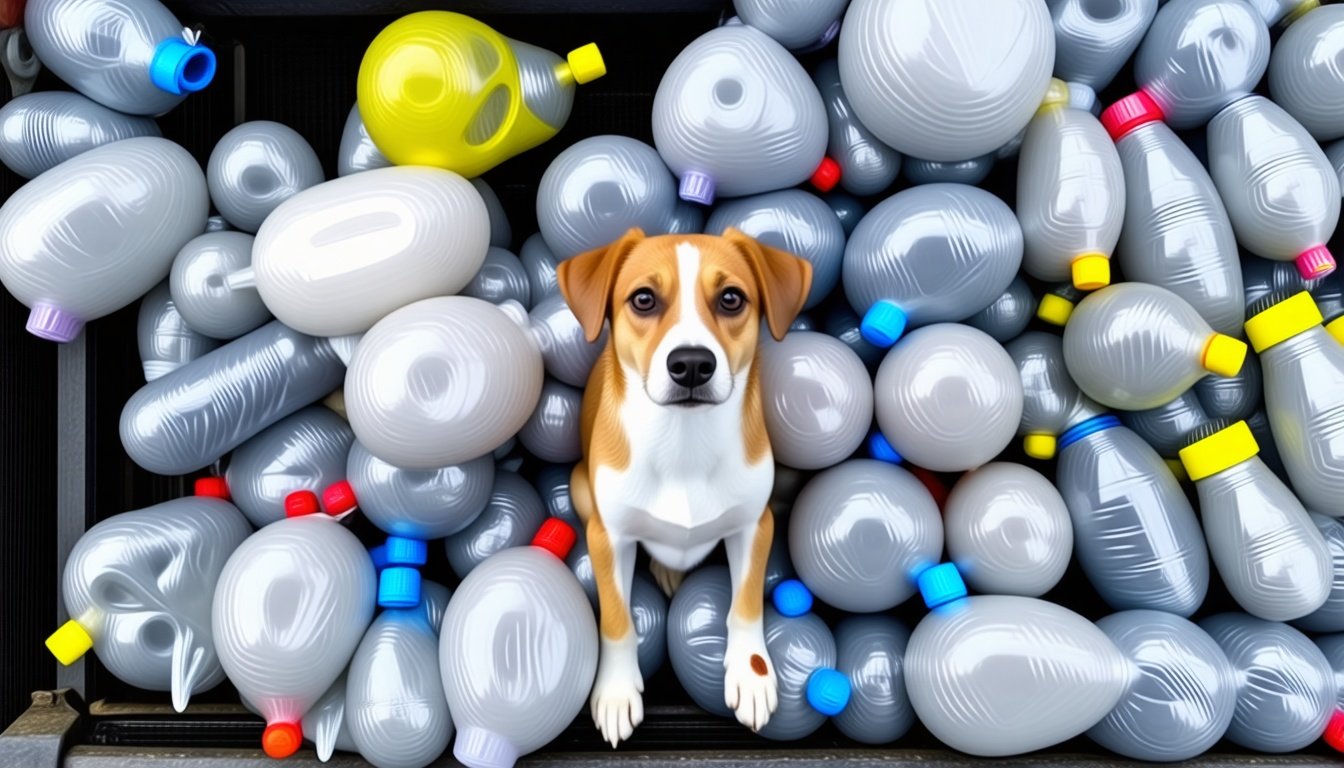
I never thought that shopping for my dog’s supplies would make me stare hard at the plastic mountain quietly growing on my kitchen counter. But there it was, a fortress of bags, containers, wrappers, and more—plastic bursting at the seams. It was like a daily reminder of how much waste I was creating, not just for me, but for my little buddy who loves fetch and long walks under the big blue sky.
So I started asking myself: How do I keep my dog happy and healthy without drowning in plastic? Turns out, there are ways to do it without turning my home upside down or making my dog’s tail stop wagging. Let me tell you how I reduced plastic waste while shopping for dog supplies, and why it feels like such a small change but means so much to me.
Why Plastic Waste Around Pets Feels Personal
Pets are family. When I look at my dog, I do not just see a cute animal; I see a creature that depends on me. I want to give her the best, but I also want a planet that will still be here when she grows old. Looking at plastic packaging feels wrong, knowing how much plastic ends up choking oceans, filling landfills, and hurting animals—including wild ones and even pets.
Have you ever stopped to think where all the plastic from dog food bags, chew toy packaging, and waste bags actually ends up? It is not like it disappears. Most of it does not get recycled. It piles up. It breaks into tiny pieces that animals eat by accident. That includes dogs and other creatures I care about.
That realization shook me. I wanted to be a better consumer for my dog’s sake and for the Earth.
Step One: Changing the Way I Buy Food
Dog food is the biggest culprit in my plastic stash. Those big bags are often made from multiple types of plastic fused together, making them impossible to recycle. And the smaller treats come in their own mini plastic mountains.
So, I decided to start buying in bulk from local pet stores that allow you to refill your containers. Sounds fancy, but it is really simple: I brought a clean fabric bag, a used container, and asked the shopkeeper to fill it with the food I needed. No plastic bag, no excess packaging.
If there is no bulk food store nearby, consider buying food in cardboard boxes or cans. Sure, cans might seem like more waste, but metal is easier to recycle than plastic. Cardboard breaks down quickly. You just have to check the ingredient list carefully and make sure the product is still good quality.
One weird thing I discovered? Some local farmers sell natural dog food or treats without fancy packaging. I bought some and was surprised by how much my dog loved the fresh, simple tastes—plus, I felt like I was supporting a small business with a heart.
Pro tip: Keep your dog food fresh
Buying less plastic might mean using different storage methods. I got airtight glass jars for bulk food. They keep food fresh without plastic. Yes, it means cleaning jars every now and then, but that is a small price for peace of mind (and less plastic).
Toys and Accessories: Letting Go of the Plastic Craze
I am not going to lie. Dog toys come wrapped, boxed, and tangled in more plastic than I imagined. Sometimes, it feels like the toy is just an excuse for the plastic. But my dog loves toys. They make her happy and keep her busy.
Instead of buying toys wrapped in layers of plastic, I started looking for natural alternatives. Wooden chew toys (untreated and safe) last longer and come with zero plastic. Plus, they feel good in the hand and, honestly, they look cooler.
There is also fabric toys made from old clothes or hemp ropes. I found a local crafter who makes toys out of recycled materials, and my dog loves them. Bonus: they are washable. It makes me feel like I am not just buying a toy, but a story.
- Look for toys made with natural fibers like cotton, hemp, or wool.
- Avoid plastic balls and squeaky things wrapped in blister packs.
- Try DIY toys using household items (an old T-shirt becomes a tug toy, for instance).
Another secret? I rotate toys. Giving the same toy every day means quicker wear and tear. Rotating toys keeps them fresh, and I buy fewer replacements—less plastic overall.
Waste Bags: The Tricky Plastic Problem
Picking up poop is not fun, but it is necessary. Standard waste bags are plastic, often very thin, and single-use. Over a year, it adds up to thousands of tiny plastic bags in landfills. Ugh.
That is why switching to biodegradable waste bags made from cornstarch or other plant-based materials was a no-brainer for me. They look like plastic and work the same way but break down in a few months instead of hundreds of years. And if you want to get cheeky, some companies sell compostable bags that you can toss in your garden compost.
I admit, the biodegradable bags are slightly more expensive, but not by much. Plus, I feel a lot better every time I scoop poop.
Bonus waste tip: Try dog waste composters
Yep. It is a real thing. You can get a special bin in your yard that breaks down dog waste safely without harming your garden. That means zero plastic bags. It requires some patience and a bit of yard space, but it is worth considering if you want to go the extra mile.
Grooming Gear That Does Not Add to Plastic
Brushes, shampoos, nail clippers—our dog needs some basic care. Usually, grooming products come in plastic bottles or containers. I did not want to ditch grooming, but I wanted to find smarter ways.
First, I found shampoo bars for dogs. They feel like soap bars. No bottle, no plastic. They last longer than liquid shampoo and use natural ingredients. My dog’s coat actually feels softer now.
For brushes, I looked for wooden or metal options rather than plastic. They are sturdier, easier to clean, and last forever (or close to it).
Nail clippers are mostly metal anyway. Just keep them sharp and clean. It means less waste because you replace less often.
Shopping Smarter: Plan Less, Buy Better
I realized over time that one of the biggest contributors to waste is impulse buying. How many times do we grab a new toy or treat just because it looks cute or was on sale? Guilty here.
So, I started planning my purchases better, making lists, and sticking to them. I focused on quality over quantity, which means my dog actually gets better stuff and I produce less trash. I guess it is true what they say: less is more.
Also, I support brands that are open about their packaging and sustainability. It feels good knowing that companies care, even if it means spending a little extra.
Small Changes Add Up
At first, switching to sustainable pet care felt overwhelming. I wondered if the extra effort was worth it. But then I noticed how less plastic cluttered my house. How my dog seemed to enjoy simpler toys. How better I felt shopping with a conscience.
Plastic pollution is a huge problem, but here is the thing: Every small step helps. When we change habits, even a bit, it ripples out. When I buy less plastic, I am not just helping the Earth—I am teaching my dog kindness, responsibility, and maybe even hope.
So, if you have a dog or any pet, try these ideas. You do not have to do everything overnight. Start with one change, then another. You will be surprised how good it feels.
And that plastic mountain on my counter? It is finally shrinking. Slowly, but surely.