
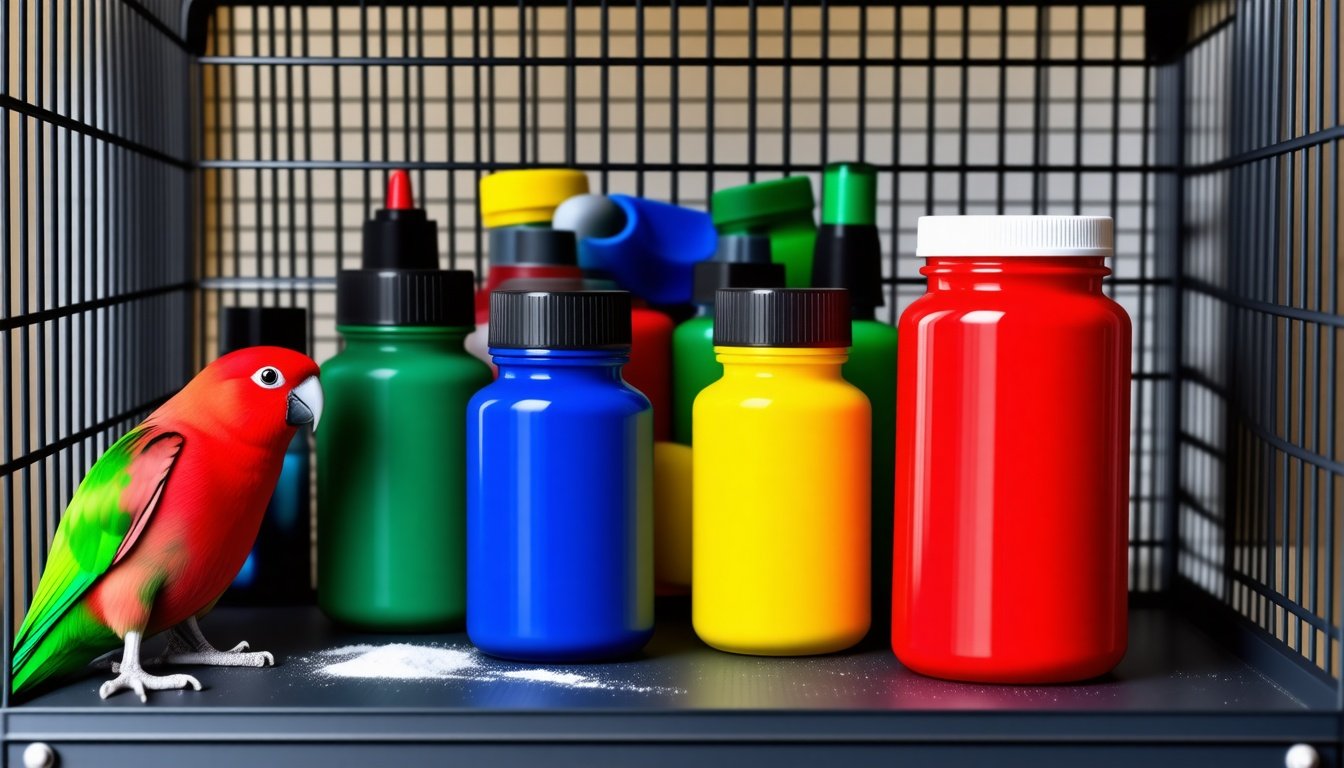
So, you have a bird. Maybe a chirpy little parakeet, a wise old cockatiel, or even that sassy conure who thinks your finger is a snack. Their cage looks a little tired, or maybe you just want to breathe some fresh, green life into their little home. But then, the thought hits you: “What in the world am I going to paint that will not poison my feathery buddy?” Yeah, it can quickly spiral into a mini panic attack. Because, let’s be real, the last thing you want is toxic paint fumes wafting into their tiny lungs or flakes of toxic paint turning into a bird snack. Not cute. Not safe. Not okay.
But here is the good news: There are actually paints and materials out there that treat your bird’s space with the respect it deserves — the kind that does not come with hidden health risks or environmental guilt. You just have to know where to look and what to look for. And that is what I want to help you with. Because your bird deserves a fresh, safe, happy home, and you deserve peace of mind when you are working on it.
Why Toxic Paints and Harsh Materials Are a No-No for Birds
If you ever had a bird, you might already know they are sort of experts in danger sniffing. Birds have super-sensitive respiratory systems. Their lungs are fragile, and things we humans find mostly harmless can be downright deadly for them. Paint with volatile organic compounds (VOCs), heavy metals, or harsh chemicals? That stuff can cause respiratory distress, permanent damage, or worse. And since birds groom themselves constantly, toxic flakes or residues can end up inside their bodies, too.
It is not just the bird’s health at stake here. Toxic paints can damage the environment massively. What started as a simple cage refresh can create chemical waste, pollute water sources, and hurt small critters living nearby. If you have read this far, you probably want better than “safe enough.” You want thoughtful, kind, and eco-friendly choices that protect your bird and the planet.
Picking the Right Paint: What to Look For
Let us cut through the confusion. Not every paint labeled “non-toxic” is really non-toxic to birds. What you want is paint that has no harmful chemicals, zero heavy metals, and no VOCs. Also, the paint should be water-based because oil-based paints can trap toxins and do not dry as safely.
Here are a few things to watch out for:
- Water-based, low or zero VOC paints: These are your safest bet. They dry fast, don’t release dangerous fumes, and are easy to clean up.
- Natural or mineral-based paints: These are paints made with natural earth pigments and minerals. They generally do not have synthetic chemicals, so they are much safer.
- Non-toxic labels specifically for pet and bird safety: Some paints are specially formulated for pets. Look for those.
- Natural oils and waxes: These aren’t paints, but if you want to keep the natural wood look, mineral oils like tung oil or beeswax polish can refresh the cage safely.
- NO lead or heavy metals! Paints with lead, cadmium, chromium, or mercury pigments are absolute no-go.
My Personal Journey to a Bird-Safe Cage Makeover
Honestly, I came face-to-face with this challenge not long ago when I noticed my parrotlet’s cage looking dull and chipped. The old paint looked cracky, and I feared birds love to chew wood (or paint chips). So, I started googling, calling pet shops (which did not know much about safe paints), and even pestering bird forums. I got some conflicting advice — some folks swore by acrylic craft paint, and others said to just avoid painting altogether.
After digging through product ingredients, I landed on a brand that prides itself on natural ingredients and bird-safe certifications. It was a water-based, zero VOC, mineral pigment paint made in small batches. The smell was mild, almost earthy. I painted carefully, letting every coat dry for a full day. No fumes. No stress. My bird was curious, but chill.
And the end result? A fresh, vibrant, safe cage that my feathered pal happily explores and I do not have to nervously watch every breath. Win-win.
Other Cage Materials Worth Considering
Paint is only part of the story. What about the cage itself? Sometimes, switching to safer materials can help more than any paint job.
Wood
Natural wood cages can be gorgeous and bird-friendly. But avoid wood treated with pesticides, varnishes, or any chemical coatings. Untreated or naturally treated wood is best. You can protect wood with natural oils instead of paint.
Metal
Stainless steel cages shine in the bird world because they are durable and safe. They do not require painting, and the metal does not chip. But they can be pricey.
Bamboo and other natural fibers
This can give your bird a jungle vibe. Bamboo cages are lightweight and eco-friendly, but make sure they are untreated and cleaned regularly.
DIY Bird-Safe Paint Recipe? Yes, It Exists!
For those who like to get crafty, it is possible to make your own bird-safe paint with simple ingredients. It will not be super glossy or like store-bought acrylic, but for a cage refresh, it can work.
Here is a fun, simple recipe:
- Mix natural flour and water to create a paste.
- Add natural color pigments (like beet juice for red or turmeric powder for yellow).
- Stir the mixture until smooth.
- Apply carefully with a brush to the cage.
This paint is safe if it stays sealed and dry, and it can be easily washed off or reapplied. Just keep an eye on moisture, as mold can be a risk.
Ways to Freshen Up Without Paint
Sometimes, the best way to give your bird a fresh home is to skip paint altogether. Here are some ideas:
- Deep cleaning: Sometimes, a thorough clean is all a cage needs.
- Adding natural perches, toys, and swings: New textures and colors can brighten the space.
- Using safe cage covers or fabrics: Place colorful, washable covers outside or around parts of the cage.
- Natural oils: Mineral oil or beeswax can buff up the wood’s natural beauty without coatings.
Remember: Test, Observe, Repeat
When working with your bird’s living space, patience is your best friend. New materials, paints, or treatments should be introduced slowly. Watch your bird. Are they coughing? Sneezing? Acting strangely? If yes, stop immediately and air out the space.
Also, always let the painted or treated cage air out completely for several days before putting your bird back in. Better safe than sorry, always.
Wrapping Up My Share of Bird-Safe Love
Making your bird’s cage fresh and cozy does not have to mean dousing it in toxic chemicals. There are gentle, nature-minded ways to bring color and life back to their home while protecting their health and the planet. It might take some more effort and patience, but your bird’s happy chirps say it all. After all, your feathered friend is not just a pet — they are a little soul with tiny lungs that trust you to keep that home safe.
So, whether you pick a natural mineral paint, opt for stainless steel, go full DIY with flour paint, or just add fresh, bird-safe toys, you are already making a big difference. And who knows? Maybe the next time you sit by your bird’s cage, you will smile, knowing the colors around them are as kind as your love.