
Have you ever caught your pet eyeing your clutter like it is some kind of treasure? I have. My cat once stared at a pile of old socks like they were the holy grail of toys. Now, I am pretty sure my cat could survive a zombie apocalypse solely on discarded sock puppets and empty boxes. But here is the thing: buying new pet toys feels like tossing money into a black hole, especially when I already have a house full of stuff gathering dust—and that stuff could do double duty. Plus, most pet toys come wrapped in layers of plastic or made with materials I cannot pronounce, which is a bummer if you care about the planet at all.
So, one afternoon, I decided to grab what was lying around and make something my cat could chew, chase, and maybe even love. Not just to save some bucks (although that was delightful), but to make a toy that felt good in my hands and my heart. Something simple. Something eco-friendly. Something honest.
Why Make Your Own Pet Toys?
It is easy to think that pet toys must come from pet stores, shiny and new, with bells and whistles and flashing lights. But actually, some of the best toys are the simplest. A crumpled piece of paper, a bare stick, or, yes, an old sock can spark hours of joy.
Making toys yourself also means you avoid spending money on plastic junk that will break or get thrown away in weeks. It is a way to love your pet and the planet at the same time. Plus, it is fun and gives you a little creative boost in an otherwise busy world.
You do not need fancy tools or materials. Just a bit of curiosity and some stuff sitting around.
The Toy Blueprint: What I Used and Why
Here is what I found lying around my house:
- Old cotton t-shirts (stretched out and worn)
- Natural twine or string
- Empty toilet paper rolls
- A few dried catnip leaves (because my cat deserves the good stuff)
- Scissors
Each item had a story and a purpose. The cotton t-shirts are soft, washable, and safe for teeth. The twine is natural, so I knew it would break down over time without adding toxins. The toilet paper rolls are sturdy but biodegradable—and, surprisingly, cats adore the crunchy sound they make when batted. The catnip was the cherry on top. Oh, and the scissors, because, well, some cutting is involved.
Step One: The Sock Substitute
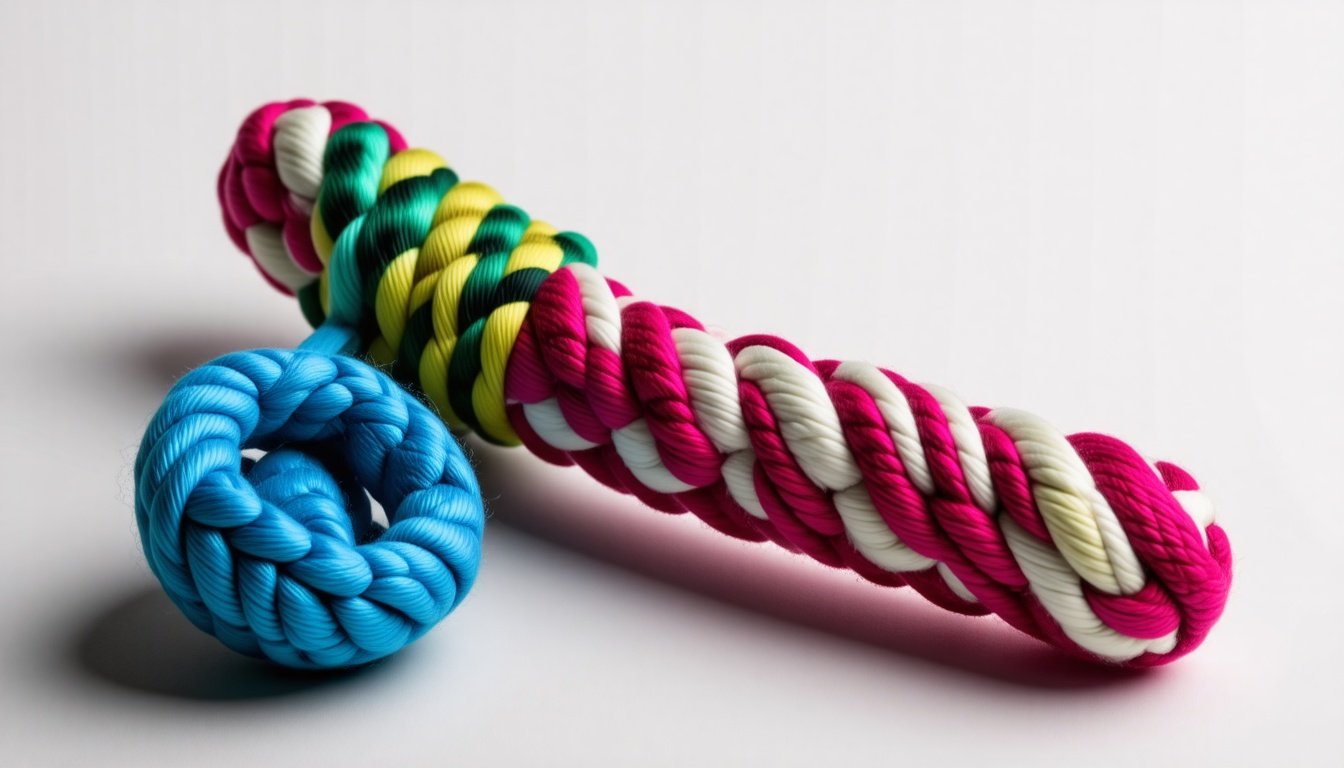
Remember those old t-shirts? Grab one and cut it into strips about an inch wide. Then, braid three strips together tightly to create a rope-like toy. Do not knot the ends just yet. Instead, fold in some dried catnip right into the middle of the braid before finishing off with a solid knot at both ends.
This little braided rope is perfect for biting and clawing. It smells good, feels soft in the mouth, and is entirely washable. It looks kind of like a mini tug-of-war rope, but made with love and care, not cheap plastic fibers.
Step Two: The Rolling Chase Toy
This one is fun and takes less than five minutes. Take a clean empty toilet paper roll and flatten it. Cut little slits around the edges, bending each cut tab outward to create a sort of spiky ball effect. Then, ball up some of those leftover fabric scraps from the t-shirt and stuff them inside. Nothing fancy here.
Hand this rolling spiky ball to your pet and watch the chase begin. It rolls unpredictably, makes soft noises, and is lightweight enough to bat around. My cat treated it like a prized possession, rolling it across the floor, hiding it behind the couch, and even dragging it into a sunny spot for a nap.
Step Three: The Easy Toss Toy
Here is the simplest of all: cut a long piece of twine—about two feet—and tie a big knot at one end. Tuck some catnip leaves into that knot before tightening it up. You can add a few more knots along the string if you want, making it easier for your pet to grab.
Wave the twine around or toss it gently for your pet to chase. It is lightweight, biodegradable, and excellent for interactive play.
Why My Pet Loved These More Than Store-Bought Toys
- Texture: The natural materials felt different from the usual smooth plastic or rubber, giving sensory variety.
- Smell: The catnip was not an afterthought; it was tucked carefully inside for maximum fragrance and attraction.
- Sound: The toilet paper roll crinkled softly, which caught my cat’s attention better than electronic chirps.
- Personal Touch: Because I made them, the toys carried an invisible thread of love and care. Maybe that is just my human heart talking, but it felt real.
Safety First: What to Watch Out For
While the idea is to keep things simple and natural, not every household item belongs in pet toys. Here are a few quick tips to keep your pet safe:
- Stay away from items with glue, paint, or glitter.
- Make sure fabric strips are thick enough to avoid easy shredding and swallowing.
- Skip anything sharp or hard that could hurt your pet’s mouth.
- Supervise play, especially with string or twine, to avoid accidental swallowing.
- Wash the toy regularly to keep it clean and fresh.
How This Small Act Makes a Big Difference
Using old clothes and household items reduces waste. Instead of tossing those ratty t-shirts in the bin, they get a new life. Every plastic toy avoided means less pollution, less landfill, less plastic junk floating in oceans where sea creatures mistake it for food.
And the joy? That is harder to measure. There is a warmth in knowing you made something with your own hands. Your pet senses that too. They do not need fancy bells; they just want your attention, your time, and a little fun.
Try It Yourself and Share the Fun
If you have a pet, or even if you do not, I challenge you to look around your home with fresh eyes. What could be a toy? What could be reimagined? It is an adventure in creativity, thrift, and love.
Tell your neighbors, your friends, or your family. Maybe even invite them to a little DIY pet toy party. Because, seriously, who does not want to play with yarn and old socks again?
And remember: perfect does not exist here. Your pet will not care if the knots are uneven or the fabric frays. They care about the moment, the connection, and the fun. And that, somehow, makes this small project one of the biggest wins for your pet’s happiness—and the planet.