
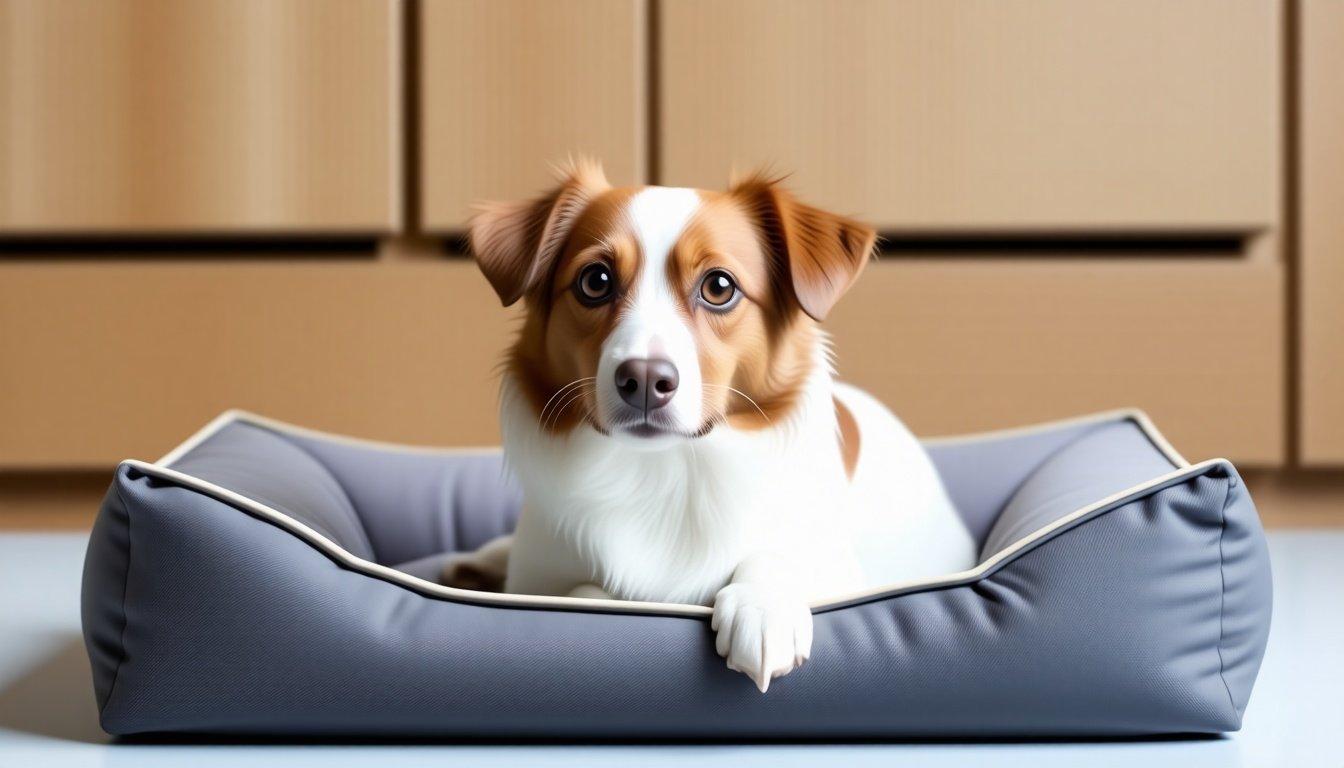
There is something sweet and oddly satisfying about making something with your own hands—especially when that something is for a pet who thinks you are their entire world. But when you add a sprinkle of good intention on top—like using recycled materials—you get this warm, fuzzy feeling that goes beyond just fluffing pillows or sewing seams. It feels like you are doing a tiny bit of good for the planet and a whole lot of good for that needy creature who wags a tail or purrs at your feet.
Making pet beds out of stuff you already have lying around might sound like a quirky, maybe even slightly weird idea. But I promise you it is one of those projects that sneaks under your radar and then suddenly owns your weekend—and your heart. Plus, it can save money while cutting down on waste. Two wins in one cozy bundle.
Why Bother with Recycled Materials for Pet Beds?
Let us be honest for a second. Pet stores are bursting with everything from memory foam mattresses to heated cuddle pods. They look fancy, they promise comfort, but they also come wrapped in plastic, often made with new materials, and sometimes cost more than you want to spend. What if your pet bed could come from old sweaters, worn-out pillows, or bits of fabric you were about to toss? Not to mention those random cardboard boxes you have stacked in the corner.
Using recycled materials is like giving a second life to things that would have gone to the landfill. It feels like a tiny rebellion against the throwaway culture, and pets? They do not care one bit if the bed was store-bought or handcrafted from your junk drawer. They just want a soft place to crash.
What Did I Try? The Recycling Rundown
Over the last few months, I tested a whole bunch of recycled stuff turned pet beds. Some worked like a charm. Others, well, let us say they were learning experiences. Here is the lowdown on what went into the experiment:
- Old sweaters and fleece blankets
- Worn-out pillows and cushions
- Cardboard boxes
- Denim jeans fabric
- Plastic bags woven into mats
- Scraps of upholstery foam
- Old towels
Not all of these were winners, but every single one told some tale about comfort, durability, and practicality.
The Cozy Charms of Old Sweaters and Fleece
If you have sweaters that have shrunk in the wash or those nifty fleece blankets that have lost their zip, these can turn into the fluffiest pet beds. I cut up some sweaters, stuffed them with pillow stuffing (from a torn-up old pillow), and stitched up the sides. The result? A squishy, warm bed that smelled like me—and my dog, Jake, loved it instantly.
Sweaters have this magical ability to hold heat, which is perfect when winter hits. They also breathe better than plastic or synthetic materials, so your pet does not end up drenched in sweat or smelling funky after a nap. Plus, repurposing sweaters means a soft, stretchy texture that molds to your pet’s shape. Honestly, Jake looked like he was sunbathing on a cloud.
Tips for Using Sweaters and Fleece
- Turn sweaters inside out before stuffing to hide any stains or wear spots.
- Use polyester stuffing or shredded old pillows for extra cushion without bulk.
- Sew double seams for durability—because pets slobber and claw.
- Keep an eye on small dogs or kittens who might chew fabric threads.
Old Pillows and Cushions: The Hidden Treasure
Those sad, flattened-out pillows on your couch? They are pure gold for DIY pet beds. I grabbed a bunch, tore off the covers, fluffed up what stuffing remained, and then combined bits of foam and polyester to make a hybrid bed. It was like creating a cloud fort for my cat, Luna. The best part: it gave her a comfy spot without spending a dime.
The trick with old pillows is to check for allergens or dust mites. Washing the stuffing can sometimes be tricky, but a lot of times you can refresh the pillow by tossing it in the sun and fluffing it out well. If you are worried about stuffing falling out, sew or zip the covers securely.
Pro tips for pillow beds
- Use pillow stuffing mixed with soft upholstery foam scraps for better shape hold.
- Choose pillows with washable covers or make removable slipcovers from old sheets.
- Keep the bed in a place where pets like to chill, so it smells familiar.
- Replace stuffing every few months to avoid clumps and odors.
Cardboard Boxes: Not as Crazy as You Think
Here is where things get a little wonky but kind of brilliant. Cardboard boxes are everywhere, and cats, in particular, adore them. So why not make a bed out of a cardboard box? Simple: line the bottom with a soft old towel or sweater, cut out holes or windows for ventilation, and decorate with fabric scraps.
Luna was instantly obsessed. She climbed in, scratched the sides, and obviously felt like she owned a tiny castle. It is lightweight, easy to clean by swapping out the fabric layer, and when it gets tired, the box can get recycled again. The only downside? Cardboard eventually wears down or gets soggy if your pet drinks water nearby.
How to make a pet bed from cardboard work
- Use thicker corrugated boxes for strength.
- Cover both inside and outside with fabric or old wallpaper to protect from moisture.
- Add a removable cushion made from recycled fabric layers.
- Keep away from damp or wet areas to prevent mold.
Denim and Old Jeans: Tough but Comfy
If you have jeans that no longer fit or have holes, the sturdy denim can be cut and sewn into pet beds. Denim is durable and gives structure to the bed, especially if you layer it over soft stuffing. Plus, that old-worn-out jean smell is actually oddly cozy (at least to me).
The only snag? Denim is less stretchy and not as soft as fleece or sweaters, so you need to add a cushion layer underneath. It holds up well to claws and dirt, though, so if your dog tends to be a bit rough with their bedding, denim might be your buddy.
Denim bed hacks
- Line denim beds with fleece or old blankets for softness.
- Sew pockets from jeans and stuff them with stuffing for a quilted look.
- Use denim scraps to repair other fabric beds.
- Give the bed an extra wash before use to soften denim.
Plastic Bags Woven into Mats: Wild Card
Okay, this one might sound strange, but hear me out. Plastic bags are a huge environmental problem. They also make surprisingly sturdy, waterproof mats when woven tightly together. I braided and tied dozens of plastic bags into a mat-like bed liner, topped with an old towel to make it softer.
My dog was intrigued but not crazy about it. It did prove useful outdoors, though, protecting the bed from mud or wet grass. If you want to keep your pet’s bed dry and off cold floors—especially outside or in the garage—this approach can be a clever solution.
Warnings and tips for plastic bag mats
- Do not let your pet chew plastic mats—they can swallow bits and choke.
- Use plastic mats as the bottom layer only, with soft fabric on top.
- Recycle bags you already have instead of buying new plastic.
- Consider bright colors to make the bed cheerful.
Upholstery Foam Scraps: Bounce and Support
If you can get your hands on scraps of foam from old furniture or cushions, do it. Foam adds support and bounce to a pet bed and can make a world of difference for older dogs or cats with sore joints.
I patched some foam scraps together inside a denim casing and topped it with fleece. The bed held its shape for months, and my pup, Max, who is getting on in years, seemed to sink into it with happy sighs.
Handling foam for DIY beds
- Cut the foam into manageable squares or rectangles before stuffing.
- Combine foam with softer stuffing to avoid hardness.
- Wrap foam in fabric separately to keep it clean.
- Replace foam pieces if they start breaking down or smelling funky.
Old Towels: The Simple, Reliable Classic
Sometimes, the simplest option is the best. Old towels are soft, absorbent, and easy to wash. I layered a few towels to make a cushion, folded them into a bed shape, and let the pets jump on it. Instant comfort.
Towels do wear out faster than other materials, but they are perfect for short-term use, travel, or layering inside sturdier beds. Plus, if your pet is prone to accidents or drooling, towels are easy to toss in the wash.
Tips for towel beds
- Use thick, fluffy towels for maximum softness.
- Combine with other materials like foam or fleece for structure.
- Fold and stitch the edges to keep towels in place.
- Keep extras handy because towels can wear down fast with heavy use.
What Really Worked (and What Did Not)
The truth? The best beds combined materials. A sweater bed stuffed with pillow fluff is heavenly but needs a washable cover for cleanliness. Cardboard beds are adorable but not great long-term. Denim is tough but kinda stiff without soft layers.
I ended up mixing and matching—foam for support, fleece for softness, denim or sweater fabric for durability. The happiest pets? Those with beds that felt like their own little nest, made from the stuff I loved and wanted to give one more chance.
Now, here is a thought: making a bed from recycled materials means you are crafting something unique. No two are alike. It is a bit imperfect, a bit quirky—just like our pets. And sometimes, that is exactly the point.
Some Final Friendly Advice
- Always consider your pet’s habits. Chewers need sturdier fabrics, snuggly sleepers love plush materials.
- Wash or clean recycled materials before turning them into beds.
- Watch for allergies—some pets react to wool or dust from certain fabrics.
- Keep safety in mind: remove loose threads, sharp edges, or toxic materials.
- Have fun with it. Your pet will feel your care in each stitch, each fold.
If you have not tried making a pet bed from old stuff yet, maybe this is your sign. Dust off those sweaters, raid the pillow pile, and get crafting. There is nothing like giving your pet a soft, warm place while being kind to the earth. It is simple, it is sweet, and it just might make you feel a little more connected—to your pet, and the world around you.