
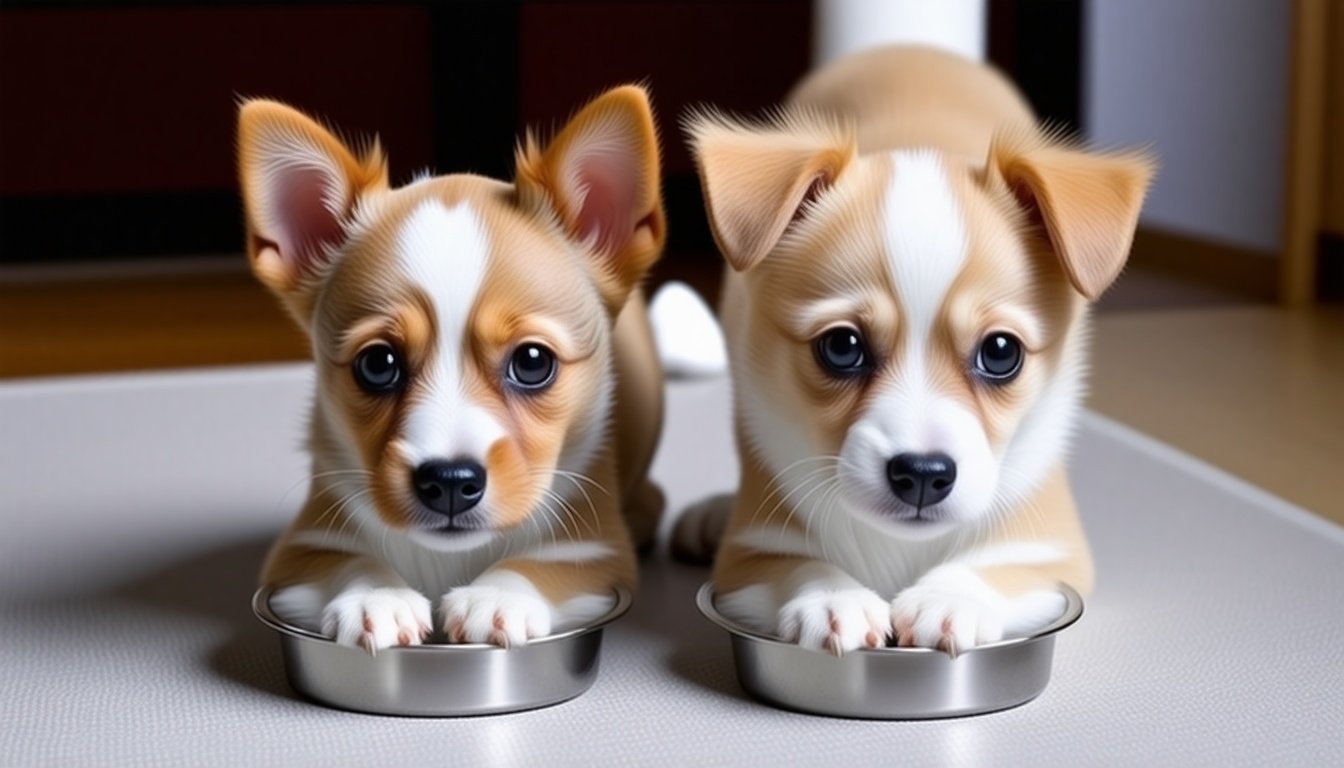
I never thought feeding my dog organic pet food would turn into this big life lesson. Honestly, I just wanted to do right by my little buddy and maybe make a positive impact on the planet at the same time. But, oh boy, what a ride it has been. From confusion at the grocery aisle to the guilty feelings of throwing out the old stuff, I found myself learning about so much more than just labels and ingredients. It became a whole new way of thinking about care, love, and responsibility—not just for my pet, but for the world outside our front door.
If you are thinking about making the switch to organic pet food or just wondering what it really means, you are in the right spot. I want to share what I learned along the way, the weird moments, the surprises, and yes, even the mistakes. And maybe, just maybe, get you feeling pretty good about taking that step yourself.
Why Go Organic in the First Place?
At first, organic pet food sounded fancy and expensive. I pictured some crunchy granola vibe that was more hype than help. But then, I kept seeing stories about the pesticides, hormones, and chemicals often found in regular pet food. That made me pause. I kept asking myself, “If I want clean food for me, why should my dog settle for less?”
It turns out, organic pet food is about food grown without synthetic pesticides or fertilizers, with no genetically modified ingredients, and without those added chemicals that some studies say might be harmful. But it does not just help my pet’s tummy. It feels like a little ticket to kindness for farms, workers, water, and the planet.
The Health Factor
My dog used to have itchy skin and occasional tummy troubles. I thought it was just part of being a dog, but the vet suggested diet might help. Switching to organic was scary — what if it did not work? But after a few weeks, those itches got less frequent, and the tummy troubles? Almost gone.
That was the moment I realized, good food really affects how my dog feels inside and out. The ingredients matter. The less junk, the better the health. Simple, right? But it made me love those labels a little more.
Where to Start When Everything Feels Overwhelming
I admit, walking into the pet store was confusing. Organic, natural, holistic, grain-free—wait, what do all these words even mean? The choices were dizzying.
If you feel the same, here is a trick I wish I knew earlier: start small. Try one organic product at a time. Maybe a bag of food or some treats. You do not have to overhaul your pet’s diet overnight. That way, your pet can adjust, and you can watch for any changes. Plus, your wallet does not scream.
The Labels and What They Really Mean
- Organic: Means the ingredients are grown without chemicals and meet strict standards. Usually certified by third parties.
- Natural: This one is loose. It usually means no artificial colors or flavors but does not guarantee organic ingredients.
- Grain-Free: Good for some pets with allergies, but not always healthier. Grain-free can sometimes lead to other problems if not balanced properly.
- Holistic: Nice word but not regulated. It often means the brand focuses on overall well-being.
These words can feel like a secret code, but once you know the basics, you can shop confidently and avoid those sneaky marketing tricks.
Challenges I Did Not Expect
Switching to organic pet food was not all sunshine and rainbows. The first hurdle was the price. Wow, it does hit the wallet harder than regular food. I had to get creative—buy in bulk, sign up for subscription plans, or look for sales. Sometimes waiting was better than impulse buying.
Then, the transition period. My dog was suspicious of the new food. The texture was different, and sometimes the smell was stronger. It took patience and mixing old food with the new to get him on board. I felt a little like a food negotiator, offering hidden veggies to get him interested.
And, of course, the guilt. I threw out a lot of the old food that was supposed to last weeks. I hated wasting it but knew it was better than making my dog sick in the long run. I reminded myself that this is a journey, not a sprint.
Finding the Right Brand
Brands vary wildly when it comes to quality and transparency. Some claim “organic” but when you dig deeper, only a small percentage of ingredients are certified. Others go beyond standards and practice sustainability at every step—from sourcing to packaging.
I learned to look for certifications like USDA Organic or something similar. Also, reading customer reviews and asking my vet helped. It does take time, but finding a brand you trust feels like winning a tiny jackpot.
Why Sustainability Matters in Pet Care
The more I learned about organic pet food, the more I saw the bigger picture. It is not just about my dog eating better. It is about how that food got to the bowl.
Think about farms where chemicals poison the soil and water. Or packaging that ends up in landfills, choking the planet. When I switched to organic and brands with eco-friendly packaging, I felt less like I was contributing to that mess. It felt like I was part of something cleaner and kinder.
- Organic farming helps keep the soil healthy and water cleaner.
- It supports workers who avoid harmful chemicals.
- Eco-friendly packaging means less plastic waste in nature.
That little act of choosing organic pet food turns out to be a tiny but meaningful vote for a better world. It is like telling farmers and companies, “Hey, I care about how this food is made.”
Making It Work in Real Life
I want to be real with you: It is not always perfect. Sometimes I run out of the organic food and grab what is handy. Sometimes my dog gives me those big sad eyes when the new food is different. But I keep trying because the benefits are worth it.
Here are some things that helped me stay on track:
- Routine: I pick one day a week to order pet supplies online. It helps avoid last-minute panic buys.
- Mix it up: I mix organic food with fresh foods sometimes like pumpkin or carrots, adding variety and extra nutrients.
- Community: Chatting with other pet owners who care about sustainability helped me learn hacks and stay motivated.
- Celebrate small wins: When I see my dog happier or healthier, I remind myself why I switched in the first place.
What I Wish I Knew Before Starting
Looking back, I would tell my past self to chill a bit. It is not a perfect path. You will learn as you go. It is okay to make mistakes.
I also wish I knew that organic does not mean boring. There are so many tasty and nutritious options out there, from kibble to wet food to homemade recipes approved by vets. My dog actually enjoys mealtime more now.
And it is not just about the food—organic treats, toys made from recycled materials, even organic grooming products can make a difference. It really is a whole lifestyle upgrade that feels good for everyone.
Final Thoughts Before You Take the Leap
Switching to organic pet food is like making a promise to your pet and the planet. It takes time, money, and patience, but it also brings a quiet joy that you cannot buy. Watching your pet feel better and knowing your choices support a cleaner world is powerful.
If you are curious or ready to try, start slow, listen to your pet, and do not be afraid to ask questions. This is not a perfect science, and your journey will be uniquely yours.
At the end of the day, feeding your pet organic is more than a trend or a label. It is a little act of kindness—one meal, one bite at a time.